Introduction
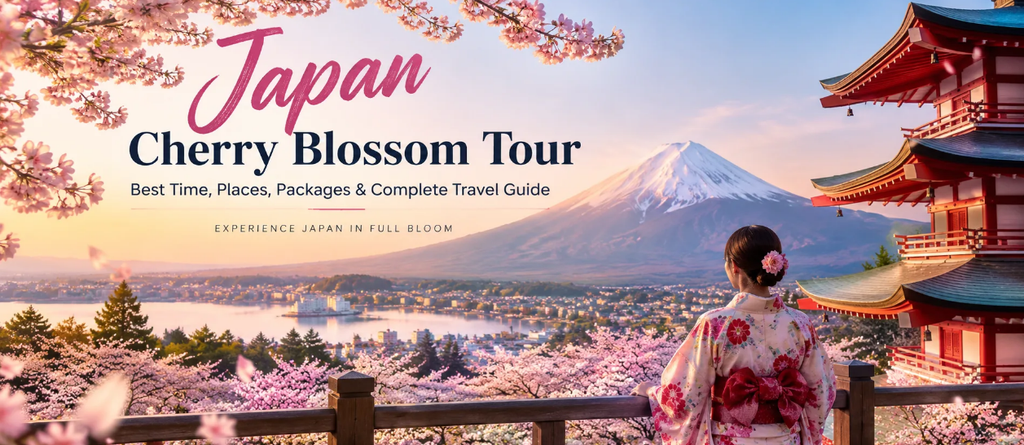
Picture a quiet Kyoto morning. A canal, a few early walkers, pale pink petals drifting onto the water. That’s the scene most people imagine when they start searching for a Japan Sakura Travel Package. The catch is simple. Blossoms last maybe a week or two in any one city, so planning matters here more than on almost any other holiday. Edutour puts together spring trips to Japan for Indian travellers from its Jaipur office, and the routes are built around bloom timing, not a rigid checklist of sights. Below you’ll find when to go, where to look, what a package should cover and a few mistakes worth dodging.
When Does Sakura Season Actually Happen?
Most of Japan sees cherry blossoms between March and April. Sounds easy, but the exact dates shift every year with the weather. Tokyo, Kyoto, Osaka and Nara usually peak from late March to early April. Hakone and the Mount Fuji area tend to follow a little later, Kanazawa opens up in early to mid April, and Hokkaido comes last, often stretching into May.
Travellers will hear four terms again and again:
- First bloom, when the earliest flowers open
- Full bloom, when most of the tree is covered
- Peak viewing, the short window when it looks its best
- Petal fall, when flowers start dropping
That said, don’t lock in one fixed date. A flexible plan covering two or three regions gives you a far better shot at catching the real peak.
Where to See the Blossoms
Every city has its own feel, and that’s the fun part.
- Tokyo: big parks, riverside walks and gardens, plus shopping and food markets when you need a break from flowers
- Kyoto: temples, canals and old lanes. It gets packed by midday, so start before 8 am
- Osaka: street food, nightlife and an easy base for the Kansai region
- Nara: calmer, with open parkland and heritage sites, and an easy day trip from Kyoto
- Hakone and Mount Fuji: lake views, hot springs, and Fuji itself when the sky cooperates (it doesn’t always)
- Hiroshima and Miyajima: history and island scenery, better for trips of nine days or more
Hokkaido works for later travellers, but distances are long, so it needs its own itinerary.
What a Good Package Should Include
Not every package is built the same, and that’s where most disappointment starts. A solid Japan Sakura Travel Package from Edutour keeps hotels in central spots, so you aren’t losing an hour each morning on trains. It also leaves breathing room between cities. Squeezing five destinations into six days looks great on paper, sure, but you end up seeing more stations than trees. Ask for a written list of what’s covered before comparing prices. A cheaper quote often leaves out transfers, meals or entry tickets.
Things a package usually covers:
- Hotel stays and airport transfers
- Intercity rail and local transport
- Sightseeing, with a guide where needed
- Selected meals and entry tickets
- Support from the tour team during the trip
Visa fees, insurance, shopping and tips normally stay on your side.
A Simple Eight Day Flow
A classic route runs like this. Tokyo takes the first three days, with a light arrival day, then parks, old quarters and shopping. Day four heads to Hakone or the Fuji area for scenery and a hot spring soak. Day five moves on to Kyoto. Day six splits Kyoto in the morning and Nara in the afternoon. Osaka fills day seven, handy for souvenirs, and day eight is departure.
With nine to eleven days you can add Hiroshima, Miyajima or Kanazawa without rushing anything.
Group or Private Travel?
Group departures cost less per person and come with a fixed plan, which suits first timers and families who want things handled. Private trips cost more but let you move at your own pace, swap a day when rain shows up, or spend extra hours at one garden. Neither is better. It depends on how much structure you want.
Many cities also run food stalls, evening lighting and local events during bloom. Dates change, so ask whether these are included or optional.
Tips for Indian Travellers
Sort the paperwork early. Passport validity and the Japan visa take time, so start at least a month ahead.
- Book hotels early, because prices climb fast around late March
- Pack layers, since mornings can feel cool and afternoons mild
- Wear shoes you’ve already broken in. Ten thousand steps a day is normal
- Tell your organiser about vegetarian or Jain food needs before departure
- Keep each day realistic, with one or two main stops
Costs depend on flights, hotel level, group size and dates, and blossom season is usually pricier than other months. Check current rates directly rather than relying on old figures.
Conclusion
Cherry blossom season rewards people who plan a little ahead and stay flexible. Pick a travel window, choose a few regions, read the inclusions closely and keep the schedule loose enough to handle weather. Do that, and the trip tends to feel relaxed instead of rushed.
Final Thoughts
Sakura are the headline, but Japan gives you plenty more: quiet temples, great food, spotless trains and neighbourhoods that feel nothing like home. Start early, ask plenty of questions and share your dates, budget and preferred cities with your tour planner. Most of the time, a well-built plan is what turns a pretty holiday into one you keep talking about.