When a damaged or weakened tooth needs a dental crown, material selection becomes an important part of the treatment conversation. Porcelain and metal crowns are two established options, but they are not identical in appearance, strength, or ideal use.
Patients often want a simple answer: Which crown is cheaper? Which lasts longer? Which looks more natural? The most accurate answer depends on the tooth being restored, the bite, the amount of remaining tooth structure, appearance goals, and the material recommended by the dentist.
There is also no universal price difference that applies to every practice. Crown fees can vary based on material, laboratory work, preparation, insurance, and other treatment needs.
This comparison explains how porcelain and metal crowns differ so you can have a more informed conversation with your dental provider. Cypress Towne Dental can evaluate the tooth and help determine which restorative approach is appropriate for your needs.
What Is a Dental Crown?
A dental crown is a custom restoration placed over a prepared tooth. It can restore the tooth’s shape and function while protecting weakened structure.
Crowns may be considered for teeth affected by extensive decay, fractures, large existing restorations, or certain root canal treatments. The goal is to restore the tooth in a way that fits the patient’s bite and oral-health needs.
The material is only one part of the decision. The condition of the tooth and the location of the crown can be equally important.
What Are Porcelain Crowns?
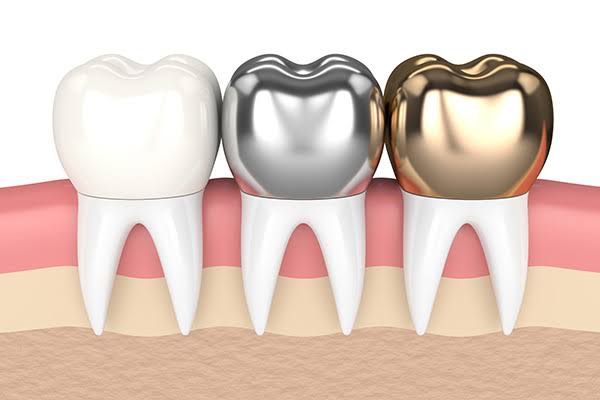
Porcelain and other ceramic-based crowns are designed to resemble natural teeth. They can be customized for color, shape, and appearance, which makes them especially attractive for visible teeth.
A major advantage is aesthetics. Well-designed ceramic restorations can blend with neighboring teeth and avoid the metallic appearance associated with traditional metal restorations.
However, “porcelain” covers several types of ceramic systems. Their strength and performance can differ. Your dentist should recommend a specific material based on the tooth, bite, and clinical requirements rather than choosing solely from a generic material label.
What Are Metal Crowns?
Metal crowns are made from dental alloys. Depending on the alloy, they can provide high strength and resistance to wear.
Because metal crowns are not tooth-colored, they are often considered for areas where appearance is less important, particularly back teeth. Their durability can make them useful where substantial chewing forces are present.
The main drawback for many patients is appearance. A metal crown does not provide the same natural look as a tooth-colored restoration.
Metal allergies or sensitivities are uncommon but should be discussed with the dental team if you have a known history of reactions to specific metals.

Porcelain vs. Metal Crowns: Appearance
Appearance is one of the clearest differences.
Porcelain or ceramic crowns are designed to mimic natural tooth color and can be selected to complement surrounding teeth. They may be preferred when the restoration is visible during smiling or speaking.
Metal crowns have a distinctive metallic appearance. For a back tooth, that may be acceptable to some patients. For a highly visible front tooth, many people prefer a tooth-colored restoration.
Appearance should still be balanced with function. The most aesthetic material is not automatically the best choice for every tooth.
Which Crown Is More Durable?
Durability depends on the specific material, crown design, tooth location, bite, oral habits, and quality of fit.
Metal crowns have a long history of reliable performance, particularly in areas where strong chewing forces are present. Some modern ceramic materials can also provide substantial strength and are designed for demanding applications.
A crown can fail for reasons that have little to do with the material itself. Tooth decay around the restoration, gum disease, poor fit, heavy grinding, trauma, or inadequate oral hygiene can affect longevity.
That is why durability should be discussed in the context of the entire treatment plan.
Which Is More Comfortable?
Comfort is generally more related to fit, bite, tooth preparation, and the condition of the surrounding tissues than to whether a crown is porcelain or metal.
A properly fitted crown should feel integrated into the bite rather than obviously interfering with neighboring teeth. After placement, your dentist may check the bite and make minor adjustments if necessary.
Temporary sensitivity can occur after crown preparation or placement. Persistent pain, sensitivity, pressure, or difficulty chewing should be reported so the tooth and restoration can be evaluated.
Porcelain vs. Metal Crown Cost
It is difficult to give a universal answer about which crown costs more. Fees vary by dental practice, laboratory, material system, tooth, and insurance coverage.
Porcelain or ceramic restorations can involve more advanced laboratory or digital fabrication processes. Metal crowns may have different laboratory costs and material considerations. The final treatment fee also depends on preparation and related procedures.
When comparing prices, ask for an itemized estimate. A complete crown treatment can involve:
– Examination and diagnostic imaging
– Tooth preparation
– Core buildup when necessary
– Temporary restoration
– Laboratory fabrication
– Permanent crown placement
– Bite adjustment
– Follow-up care
A lower crown fee may not represent a lower total treatment cost if other procedures are excluded.
Which Material Is Better for Front Teeth?
For a visible front tooth, appearance is usually a major consideration. Tooth-colored porcelain or ceramic materials can provide a more natural visual result than metal.
The dentist also evaluates the patient’s bite and the amount of tooth structure remaining. The restoration needs to be functional as well as attractive.
Shade matching can involve more than simply choosing a lighter color. The dentist may consider neighboring teeth, translucency, surface texture, and the overall smile.
Which Material Is Better for Back Teeth?
Back teeth handle significant chewing forces. Strength and resistance to wear therefore become important.
Metal crowns have traditionally been used in posterior areas because of their strength and durability. Some ceramic materials are also designed for posterior use and may be appropriate depending on the patient’s bite and clinical circumstances.
If you grind or clench your teeth, tell your dentist. Bruxism can increase the forces placed on crowns and other restorations, regardless of material.
What About a Tooth With a Root Canal?
A root canal can leave a tooth that requires additional restorative protection, particularly when substantial tooth structure has been lost.
The crown material should be selected based on the tooth’s location, remaining structure, bite, and other factors. A root canal does not automatically mean one particular crown material is required.
If you are considering root canal treatment followed by a crown, ask how the procedures fit together and what restoration is recommended for long-term function.
How Oral Habits Affect Crown Longevity
Even a strong crown can be damaged by excessive forces or poor maintenance.
Grinding and clenching can place extra stress on restorations. Biting very hard objects can also create unnecessary forces. Plaque accumulation around the crown margin can contribute to gum inflammation and decay of exposed natural tooth structure.
Good brushing, cleaning between teeth, regular dental visits, and prompt attention to changes can help protect both the crown and the tooth underneath it.
How to Choose Between Porcelain and Metal
Start with the location of the tooth. Then consider appearance, bite forces, remaining tooth structure, oral habits, maintenance, and your overall treatment goals.
Do not choose a material only because it is marketed as stronger or cheaper. Ask why the dentist recommends it for your specific tooth.
A good discussion should cover expected function, appearance, limitations, alternatives, insurance considerations, and the complete treatment cost.
Final Thoughts
Metal and porcelain crowns can both be useful restorative options. Porcelain or ceramic materials offer strong aesthetic advantages, while metal crowns have a long record of durability, especially in areas exposed to heavy chewing forces.
The better choice depends on the individual tooth rather than a simple material ranking. Fit, bite, remaining tooth structure, oral health, and maintenance all affect the long-term result.
If you need dental crowns in Cypress, TX, Cypress Towne Dental can evaluate the tooth and explain which material options fit your clinical and cosmetic goals.
FAQs
Are porcelain crowns more expensive than metal crowns?
Not always. Crown fees depend on the specific material, laboratory process, tooth, preparation, insurance, and dental practice. The most accurate comparison comes from an itemized treatment estimate.
Do metal crowns last longer than porcelain crowns?
Metal crowns have a strong history of durability, but longevity varies for every restoration. Modern ceramics can also be highly durable. Fit, bite forces, hygiene, and tooth condition affect how long crowns last.
Are porcelain crowns better for front teeth?
Porcelain or ceramic crowns are often favored for visible teeth because they can closely resemble natural enamel. The final choice should still consider bite, tooth structure, and the dentist’s clinical recommendation.