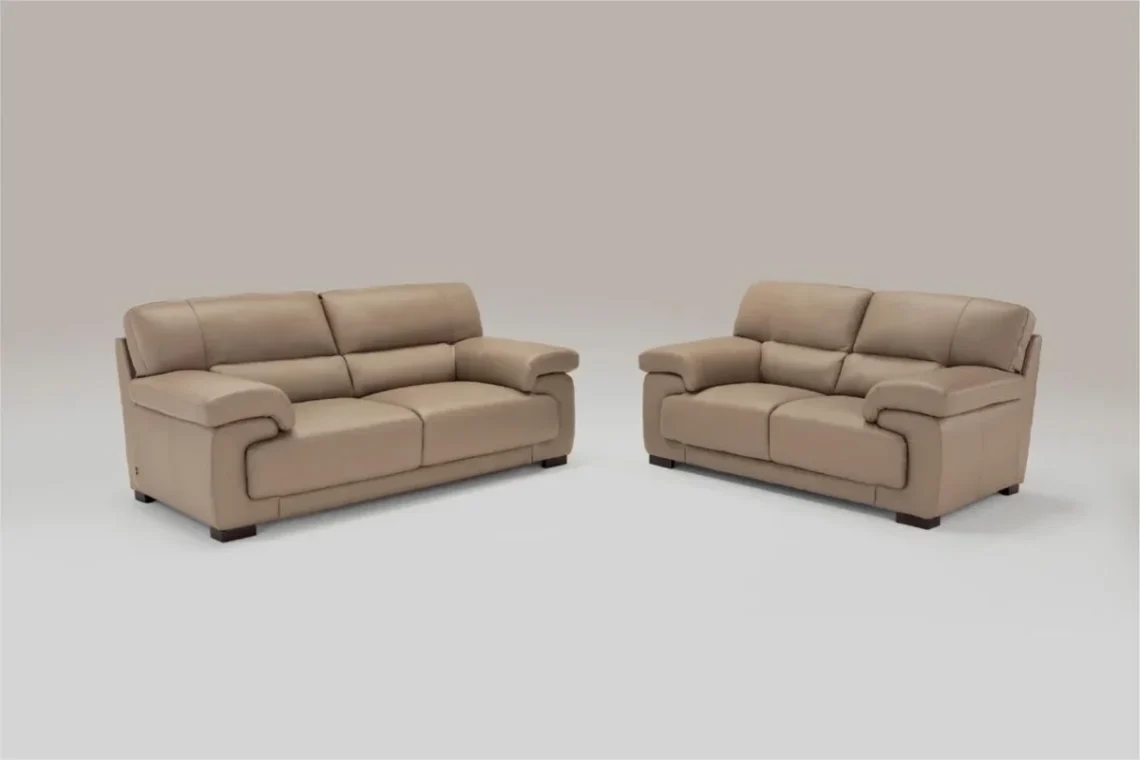
A well-chosen sofa can shape the entire look and feel of a living room. It provides a place to relax, brings different elements of the interior together and often becomes one of the most frequently used pieces of furniture in the home.
Italian leather sofa are popular with people who appreciate refined design, distinctive upholstery and versatile styling. However, choosing the right sofa involves more than selecting an attractive colour or shape. Leather quality, comfort, room dimensions and maintenance requirements all deserve careful consideration.
Whether you are furnishing a new home or updating an existing living space, understanding these factors can help you make a more informed decision.
Why Italian Leather Sofas Remain Popular
Leather furniture has a distinctive appearance that can complement many interior styles. Its texture, finish and natural character can add depth to a room without requiring elaborate decoration.
Italian leather sofa designs often appeal to buyers who appreciate considered proportions, clean lines and attention to upholstery details. Depending on the model, the style may suit a contemporary apartment, a traditional living room or a more formal interior.
Another advantage is versatility. A simple leather sofa can work with wooden furniture, metal accents, textured rugs and soft furnishings. This makes it easier to update the surrounding décor without replacing the main seating.
However, not every leather sofa offers the same qualities. Buyers should compare the actual materials, construction and specifications rather than assuming that all products described as Italian leather are identical.
1. Understand the Type of Leather
Leather type is one of the most important considerations when comparing sofas. Different grades, finishes and treatments can affect the appearance, feel and maintenance of the upholstery.
Some leather finishes retain more of the material’s natural grain, while others are treated to provide a more consistent colour or surface. Each option has its own characteristics, so the right choice depends on personal preference and intended use.
Before purchasing, ask the retailer or supplier for clear information about the leather used. Check whether the upholstery is full-grain, corrected-grain, pigmented or another specified type. Do not rely on appearance alone to determine quality.
It is also useful to request care instructions. Some finishes may require specialist products, while others are designed for more straightforward routine maintenance.
Understanding these differences helps buyers compare products fairly and choose upholstery that suits their household.
2. Select a Colour That Works With Your Interior
Colour can influence how a leather sofa fits into a room. Neutral shades such as beige, cream, grey and brown can create a balanced foundation for different decorating styles.
Darker leather, including deep brown or black, may suit rooms with strong architectural details or contrasting materials. Lighter shades can make a seating area feel visually softer, particularly when paired with natural wood, pale walls and carefully chosen textiles.
Before making a decision, consider the existing flooring, wall colour, curtains and other large pieces of furniture. A sofa should complement these elements rather than compete with them.
Lighting matters, too. Natural daylight and artificial lighting can change how upholstery colours appear. If possible, inspect a sample in the room where the sofa will be used.
For a coordinated result, repeat one or two colours from the sofa elsewhere in the space. Cushions, rugs, artwork and decorative accessories can help connect the different elements.
3. Get the Size and Proportions Right
Even a beautiful sofa can feel unsuitable if it overwhelms the room or leaves too little space to move comfortably.
Measure the available floor area before choosing a model. Record the sofa’s width, depth and height, and consider how much room will remain for side tables, walkways and other furniture.
It is equally important to check access. Doorways, staircases, corridors and lifts may affect whether a particular sofa can be delivered into the property.
In smaller living rooms, a design with simple lines and balanced proportions may help maintain a sense of space. Larger rooms can accommodate more substantial seating, provided the arrangement still allows easy movement.
Think about how the sofa will be used, too. A household that regularly entertains guests may need a different seating arrangement from someone furnishing a compact reading area.
Planning these details in advance can prevent practical problems after delivery.
4. Prioritise Comfort and Construction
Appearance is only one part of choosing a sofa. Comfortable seating and sound construction are just as important for everyday use.
Seat depth, cushion firmness, back height and armrest design can all affect how a sofa feels. Where possible, try the sofa before buying it, particularly if it will be used for long periods.
Construction deserves equal attention. Ask about the frame materials, suspension system, cushioning and upholstery workmanship. These details can provide a clearer picture of the product than appearance alone.
Inspect the stitching, seams and finish for consistency. If purchasing online, review the product specifications and ask the retailer to clarify any missing information.
No single feature guarantees long-term durability. The overall quality of the materials, construction and care all contribute to how well a sofa performs over time.
5. Style the Sofa With Complementary Materials
Leather works particularly well when balanced with contrasting textures. Combining smooth upholstery with softer materials can make a living room feel welcoming rather than overly formal.
A textured rug can help define the seating area, while fabric cushions introduce colour and softness. Wooden side tables bring warmth, and metal lighting fixtures can create a more contemporary contrast.
Avoid adding too many competing finishes. Instead, choose a few materials that complement the sofa and repeat them throughout the room.
For example, a brown leather sofa can work well with warm wood, cream textiles and muted green accents. A black leather design may pair effectively with lighter flooring, neutral cushions and carefully placed lighting.
The aim is to create a balanced interior in which the sofa feels connected to the rest of the room.
6. Maintain the Leather Properly
Regular care can help preserve the appearance of leather upholstery. The correct method depends on the leather type and finish, so always follow the manufacturer’s instructions.
As a general approach, remove loose dust with a soft cloth and deal with spills promptly using the recommended cleaning method. Avoid applying household cleaners or unapproved products, as these may affect the finish.
Keep the sofa away from prolonged direct sunlight and excessive heat where practical. These conditions can contribute to changes in colour or the condition of the material.
Do not assume that every leather sofa needs the same conditioner or cleaning product. Using a product that is unsuitable for the particular finish may cause unwanted results.
For persistent stains or damage, consult the supplier or a professional upholstery-care specialist.
Exploring Italian Leather Sofa Collections
When comparing premium leather seating, reviewing a specialist collection can help you understand the range of designs and upholstery options available.
HFS Group Italian leather sofa collection is a relevant starting point for readers interested in Italian leather furniture. Exploring a dedicated collection allows buyers to review the available range and enquire about product specifications.
When assessing any collection, look for clear information about materials, dimensions, finishes and care requirements. If a particular model catches your attention, ask the supplier for details that will help you determine whether it suits your home and intended use.
For furniture retailers and trade buyers, it is also worth discussing availability, ordering arrangements and product information before making purchasing decisions.
Taking time to compare these details makes it easier to select furniture based on suitability rather than appearance alone.
Conclusion
An Italian leather sofa can provide a distinctive centrepiece for a thoughtfully designed living room. The best choice, however, depends on more than its style or country-of-origin description.
Leather specifications, comfort, construction, dimensions and maintenance requirements should all influence the decision. The surrounding décor also matters, as complementary colours and textures can help the sofa feel naturally integrated into the space.
By assessing these factors carefully and reviewing reliable product information, buyers can choose a leather sofa that suits their interior, daily routine and long-term expectations.