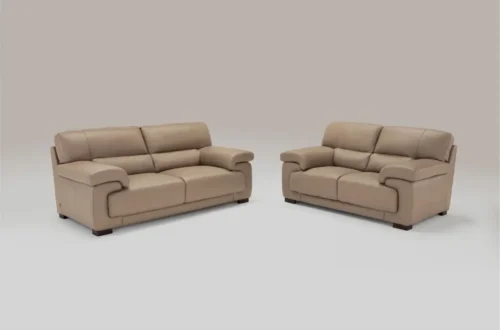
Creating a Comfortable and Professional Office Environment
A well-planned workplace helps employees stay focused, organized, and comfortable throughout the working day. From individual workstations to collaborative meeting areas, every part of an office should support the needs of the people who use it. Choosing the right Office furniture is an important step toward creating a professional environment that encourages productivity, improves organization, and reflects a company’s identity. Businesses in the Philippines, especially in Manila and Quezon City, can benefit from selecting furniture that suits their available space, working style, and budget. Whether you are setting up a new office, renovating an existing workspace, or expanding your team, thoughtful furniture choices can make daily tasks easier and create a welcoming atmosphere for employees, clients, and visitors.
Understanding the Importance of Quality Office Furniture
Office furniture plays an essential role in the overall performance and appearance of a workplace. Employees spend many hours sitting, working on computers, attending meetings, and handling documents. Poorly designed furniture can make these tasks uncomfortable and create unnecessary distractions. In contrast, well-designed desks, ergonomic chairs, storage cabinets, and meeting tables help employees complete their work more efficiently. Furniture should provide the right balance of comfort, durability, functionality, and visual appeal. Businesses should also consider how different furniture pieces work together to create a consistent office layout. A professional environment does not always require expensive products. Instead, it requires careful planning and practical decisions that meet the needs of employees while making the best use of available resources.
Choosing the Right Office Desks for Daily Tasks
Office desks are among the most important pieces of furniture in any workplace. Employees need sufficient space for computers, documents, stationery, and other work essentials. Before purchasing a desk, consider the type of work performed at each workstation. Administrative staff may need desks with drawers and storage compartments, while designers and other creative professionals may require larger surfaces for multiple monitors, drawings, or project materials. Compact desks can be suitable for smaller offices, while larger workstations may work better in spacious corporate environments. Desk height, surface material, cable management, and available legroom are also important factors. A practical desk arrangement helps employees keep their work areas organized and reduces clutter. Businesses should measure their office space before buying desks to ensure that employees can move comfortably between workstations without blocking doors, walkways, or emergency exits.
Selecting Ergonomic Office Chairs for Employee Comfort
Office chairs deserve careful attention because employees often spend a significant part of their working day sitting. An unsuitable chair can contribute to discomfort, poor posture, and fatigue. Ergonomic seating is designed to support a more comfortable sitting position by providing features such as adjustable seat height, back support, suitable cushioning, and armrests. When selecting chairs, businesses should consider the needs of different employees rather than assuming that one model will suit everyone. Adjustable features allow users to position their chairs according to their body proportions and workstation height. Breathable materials can also be helpful in warm and humid conditions commonly experienced in the Philippines. For meeting rooms and visitor areas, chairs should combine comfort with a suitable appearance. Investing in durable seating can also reduce replacement frequency and help businesses manage long-term furniture expenses.
Making the Most of Limited Office Space
Space planning is especially important for businesses operating in busy commercial areas such as Manila and Quezon City. Office rental costs can make efficient space utilization a priority, so every furniture purchase should have a clear purpose. Before arranging furniture, identify the main activities that take place in the office and determine how much space each activity requires. Modular desks, compact storage units, mobile pedestals, and flexible meeting tables can help businesses adapt their layouts as their needs change. Open layouts may support communication between team members, while private workstations can provide greater concentration for tasks that require focus. Walkways should remain clear, and employees should have convenient access to shared equipment and storage. A well-planned layout can make a small office feel more spacious without overcrowding the room or compromising employee comfort.
Improving Organization with Practical Storage Solutions
An organized workplace helps employees find documents, supplies, and equipment without wasting time. Filing cabinets, mobile pedestals, shelves, lockers, and storage cupboards can all contribute to a more efficient office environment. The best storage solution depends on the type and volume of materials a business needs to keep. Offices that handle physical records may require secure filing cabinets, while businesses that rely on digital documents may need smaller storage units for stationery, accessories, and essential supplies. Mobile pedestals are useful for employees who need personal storage close to their desks. Wall-mounted shelves can also free up floor space in compact offices. When planning storage, consider accessibility, security, weight capacity, and the durability of the materials. Keeping frequently used items within easy reach and storing less-used supplies separately can make the workplace more organized and easier to maintain.
Matching Furniture with Your Office Design
Furniture influences how employees and visitors perceive a business. A coordinated design can communicate professionalism, reliability, and attention to detail. Neutral colors, clean lines, and simple finishes often suit modern corporate offices, while natural wood tones can create a warmer and more welcoming atmosphere. Businesses can select furniture that complements their existing flooring, wall colors, lighting, and interior design. Reception areas may benefit from attractive counters and comfortable visitor seating because they create the first impression for clients and partners. Meeting rooms should have tables and chairs that support discussion and collaboration. Private offices may require executive desks, bookcases, and storage cabinets that combine functionality with a professional appearance. Although visual consistency is valuable, design should not come at the expense of comfort or practicality. The most effective office interiors balance appearance with the everyday requirements of the people working in them.
Considering Materials, Durability, and Maintenance
The materials used in office furniture affect its durability, appearance, maintenance requirements, and overall cost. Common options include engineered wood, solid wood, metal, glass, plastic, and upholstered materials. Each has different advantages depending on its intended use. Metal frames can provide structural strength, while engineered wood offers a range of finishes for desks and cabinets. Upholstered chairs need materials that are comfortable and easy to clean, particularly in shared workspaces. Before purchasing furniture, examine its construction, joints, hardware, surface finish, and weight capacity. Businesses should also ask about warranties, replacement parts, and maintenance instructions. Regular cleaning, tightening loose fittings, and addressing minor damage early can help extend the useful life of furniture. Choosing products that are suitable for daily commercial use can reduce unexpected maintenance costs and support a more reliable working environment.
Setting a Realistic Budget for Office Furniture
Budget planning helps businesses purchase essential furniture without placing unnecessary pressure on their finances. The first step is to identify the items required immediately and separate them from optional additions. Workstations, suitable chairs, and essential storage may take priority over decorative furniture or extra meeting tables. Businesses should compare products based on more than their initial prices. Durability, comfort, warranty coverage, maintenance needs, and delivery arrangements can all affect the total cost of ownership. Buying the cheapest option may not provide the best long-term value if the furniture needs frequent repairs or replacement. At the same time, expensive products are not automatically the right choice for every workplace. A clear budget allows business owners and procurement teams to compare options objectively and select furniture that meets practical requirements. For growing companies, purchasing furniture in stages can also help manage cash flow while maintaining a functional workplace.
Supporting Productivity with Flexible Workspaces
Modern workplaces often need to accommodate different working styles, team sizes, and business activities. Employees may alternate between individual tasks, team discussions, video conferences, and collaborative projects. Flexible furniture can help businesses support these changing requirements. Modular workstations can be rearranged as teams grow, while movable tables can support training sessions, presentations, and group activities. Shared meeting areas can provide additional workspace when employees need to collaborate. Businesses may also benefit from designated quiet zones for tasks that require concentration. When selecting flexible furniture, consider how easily it can be moved, adjusted, assembled, and maintained. Furniture should support the company’s current needs while allowing reasonable room for future changes. Planning for flexibility can reduce the need for major office renovations whenever teams expand or work processes evolve.
Choosing an Office Furniture Supplier in the Philippines
Finding a suitable supplier is an important part of purchasing furniture for a business. Buyers should review product specifications, available designs, material quality, delivery arrangements, installation services, and after-sales support before making a decision. It is also helpful to request measurements, quotations, and product details to compare options accurately. Businesses furnishing an entire office should ask whether the supplier can provide coordinated desks, chairs, cabinets, partitions, and meeting room furniture. Clear communication about quantities, delivery schedules, access restrictions, and installation requirements can help prevent delays. For offices in Manila and Quezon City, delivery logistics may be particularly important when buildings have limited loading areas or specific installation schedules. A reliable supplier should explain product features clearly and help customers identify options that suit their workspace, budget, and operational needs.
Maintaining Office Furniture for Long-Term Value
Proper maintenance helps preserve the appearance and functionality of office furniture. Employees should keep desks free from unnecessary clutter, clean surfaces with suitable products, and avoid placing excessive weight on shelves or cabinets. Chairs should be checked periodically for loose screws, worn wheels, damaged upholstery, and adjustment problems. Storage units should be used according to their intended capacity, and drawers should not be overloaded. Furniture should also be protected from unnecessary moisture, direct sunlight, and harsh cleaning chemicals that may damage its finish. Businesses can establish simple maintenance routines to identify problems before they become more expensive to repair. Encouraging employees to report damage and use shared furniture responsibly can also support workplace safety. Consistent care allows businesses to maintain a professional appearance while making better use of their furniture investment over time.
Conclusion
Creating an effective workplace starts with understanding how employees work and choosing furniture that supports their daily responsibilities. Comfortable chairs, practical desks, organized storage, and well-planned meeting areas can improve the usability of an office while creating a professional atmosphere. Businesses should consider space, durability, material quality, ergonomics, maintenance, and budget before making purchasing decisions. They should also select furniture that complements their office design and allows room for future growth. By planning carefully and comparing suitable options, organizations can create workspaces that support employee comfort and operational efficiency. For businesses looking for practical workplace furnishing options, Office furniture express can be included in the process of exploring furniture solutions that match their office requirements and long-term goals.