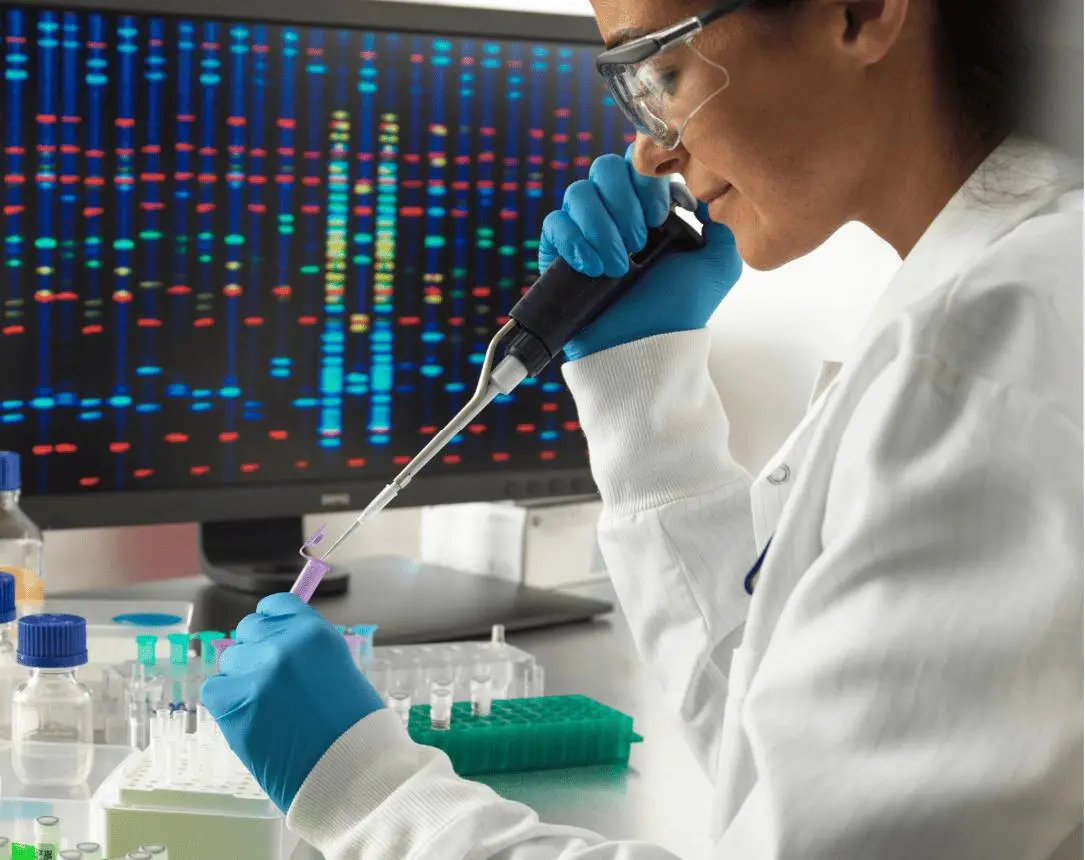
Cancer research has become an essential part of improving cancer prevention, diagnosis, and treatment. Scientists and medical professionals continue to investigate how cancer develops, why certain tumors respond to specific therapies, and how treatments can be made safer and more effective. These discoveries are helping healthcare professionals make more informed decisions and develop treatment strategies based on individual patient needs.
Modern oncology is no longer limited to conventional treatments alone. Depending on the cancer type, stage, and biological characteristics, treatment may involve surgery, radiation therapy, chemotherapy, immunotherapy, targeted therapy, or a combination of approaches. Ongoing research helps clinicians understand when these options may be appropriate and how they can be incorporated into clinical practice.
Educational resources such as ONC Brothers’ oncology insights help readers explore developments in cancer medicine and understand how emerging evidence may influence treatment decisions.
Understanding the Changing Landscape of Cancer Research
Cancer is not a single disease. It includes many conditions that differ in their genetic characteristics, growth patterns, treatment responses, and effects on the body. Even patients diagnosed with the same type of cancer may have different treatment needs.
Researchers study cancer at molecular, cellular, and clinical levels. Laboratory investigations help identify biological mechanisms, while clinical trials assess whether potential treatments provide meaningful benefits for patients. Researchers also investigate treatment resistance, recurrence, long-term outcomes, and the impact of supportive care.
These different areas of investigation contribute to a more detailed understanding of cancer. However, promising laboratory findings do not automatically become effective treatments. New therapies must undergo appropriate testing to establish their safety, effectiveness, limitations, and suitable patient populations.
Precision Medicine and Biomarker Testing
Precision medicine is an important development in contemporary oncology. Instead of selecting treatment based exclusively on the location of a tumor, clinicians may also consider specific molecular features that influence how the cancer behaves.
Biomarker testing can identify genetic alterations, proteins, or other biological characteristics associated with particular cancers. Depending on the diagnosis, these results may help determine whether a patient could benefit from a targeted therapy or immunotherapy.
For example, certain lung cancers contain specific genetic alterations that can guide treatment selection. Some breast cancers are classified according to hormone receptor or HER2 status, which can influence the available treatment options. In other cancers, biomarkers such as mismatch repair deficiency or microsatellite instability may help identify patients who could benefit from particular immunotherapies.
Not every patient requires the same tests, and not every biomarker leads to an approved treatment option. Test selection depends on cancer type, stage, clinical circumstances, and applicable guidelines. Results should be interpreted by qualified healthcare professionals in the context of the complete clinical picture.
Immunotherapy and the Immune System
Immunotherapy uses or modifies components of the immune system to help fight cancer. One widely studied approach involves immune checkpoint inhibitors, which target pathways that cancer cells may use to avoid immune recognition.
These medicines have become important treatment options for selected patients with certain lung cancers, melanoma, kidney cancers, and several other malignancies. Their effectiveness depends on factors such as cancer type, disease stage, relevant biomarkers, previous treatment, and individual health considerations.
Immunotherapy can produce durable responses in some patients, but it does not work for everyone. It may also cause immune-related side effects affecting organs such as the lungs, liver, intestines, thyroid, or skin. Some complications require prompt assessment and treatment.
Research continues to explore combinations of immunotherapy with chemotherapy, targeted medicines, radiation, and other approaches. The objective is to improve treatment responses while managing toxicity and avoiding unnecessary treatment.
Targeted Therapies and Personalized Treatment
Targeted therapies are designed to interfere with specific molecules or biological processes that help cancer cells grow and survive. Unlike treatments that affect many rapidly dividing cells, some targeted medicines act on particular pathways associated with tumor development.
Their usefulness depends on the presence of the relevant molecular target and other clinical factors. A targeted drug that benefits one group of patients may offer little or no benefit to another group with a different tumor profile.
Scientists are also investigating why cancers develop resistance to targeted treatments. Tumors may acquire additional genetic changes or activate alternative pathways that allow them to continue growing. Repeat biopsies or blood-based molecular testing may sometimes provide useful information when cancer progresses, although the appropriate testing strategy varies by situation.
These developments illustrate why treatment planning increasingly involves pathology, molecular diagnostics, medical oncology, and other specialist teams.
The Importance of Clinical Trials
Clinical trials help determine whether new treatments are safe and effective. They can evaluate new medicines, compare existing therapies, investigate treatment combinations, and study ways to improve quality of life.
Early-phase trials generally examine safety, dosing, and initial signs of activity. Later-phase trials may compare a new approach with established treatment or assess outcomes in larger patient groups. Researchers evaluate results using measures such as response rates, progression-free survival, overall survival, and treatment-related adverse events.
Patients considering a clinical trial should discuss eligibility, potential benefits, known risks, alternatives, costs, and practical requirements with their healthcare team. Participation is voluntary, and a research treatment should not be assumed to be better than standard care simply because it is new.
Following oncology clinical research discussions can help readers understand how researchers evaluate emerging treatment evidence and consider its potential relevance to clinical practice.
Translating Research into Everyday Cancer Care
A major challenge in oncology is ensuring that useful research findings can be applied appropriately outside major academic research centers. Clinicians need access to reliable evidence, clear treatment guidelines, appropriate diagnostic services, and opportunities for continuing professional education.
Multidisciplinary care can help coordinate treatment decisions among medical oncologists, surgeons, radiation oncologists, pathologists, radiologists, nurses, and supportive-care professionals. Depending on the diagnosis, genetic counselors, nutrition specialists, rehabilitation teams, and palliative-care professionals may also contribute.
Evidence-based treatment decisions should consider more than tumor response. Quality of life, symptom control, treatment burden, other medical conditions, patient preferences, and long-term effects are also important.
Educational platforms such as ONC Brothers provide a way to follow expert discussions about evolving treatment strategies and the interpretation of clinical evidence.
Future Directions in Oncology
Cancer research continues to explore liquid biopsies, artificial intelligence in medical imaging, improved early-detection methods, cellular therapies, personalized vaccines, and more precise treatment combinations. Some approaches are already used in selected clinical settings, while others remain experimental.
Liquid biopsies, for example, can detect tumor-derived material in blood and may support specific diagnostic or monitoring decisions. However, their usefulness depends on the clinical context, the test’s capabilities, and the type of cancer being investigated. A negative result does not always exclude the presence of cancer or a particular molecular alteration.
Artificial intelligence may help researchers analyze complex datasets and support selected diagnostic workflows, but it requires appropriate validation and clinical oversight. Emerging technologies should be judged by reliable evidence rather than publicity or early results alone.
Conclusion
Advances in cancer research are expanding the range of diagnostic and treatment options available in modern oncology. Precision medicine, biomarker testing, immunotherapy, targeted treatments, and clinical trials are helping clinicians develop more individualized care strategies for eligible patients.
Continued research, responsible interpretation of evidence, and collaboration between academic and community healthcare teams remain essential. Patients should discuss treatment decisions with qualified professionals who can explain the available options, expected benefits, limitations, and risks.