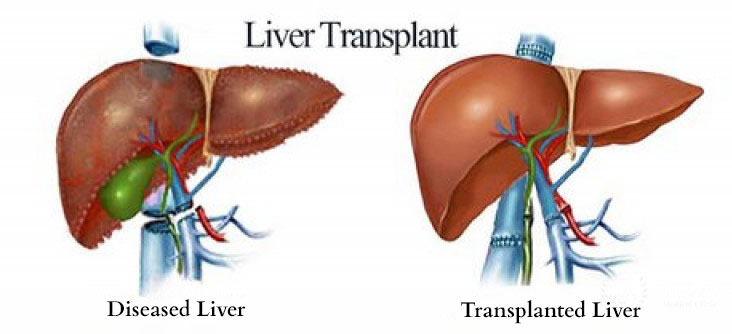
A liver transplant can be a life-saving treatment for people with advanced liver disease, but understanding the financial commitment is an important part of preparing for the procedure. Families often want to know how much the surgery costs, what the hospital package includes, whether a living donor can donate a portion of their liver, and how much they may need to spend on recovery and long-term care.
The liver transplant cost in noida depends on several factors, including the patient’s medical condition, the type of transplant, hospital facilities, surgical complexity, and the length of hospital stay. The total expense may also include donor evaluation, diagnostic tests, intensive care, medicines, and follow-up appointments.
Noida has hospitals offering specialised liver care, making it a potential option for patients from Delhi NCR and other parts of India. Understanding the different cost components can help families compare treatment options, ask informed questions, and plan their finances more confidently.
What Is the Liver Transplant Cost in Noida in 2026?
The cost of a liver transplant in Noida can vary considerably between hospitals and individual patients. As a broad planning estimate, families may encounter quoted packages ranging from approximately ₹20 lakh to ₹35 lakh or more. This is an indicative range, not a verified current price list or a guaranteed package rate for any particular hospital.
The final amount should be confirmed directly with the hospital’s transplant team after reviewing the patient’s medical condition and the proposed treatment plan.
Several factors influence the overall expense:
- Type of transplant: Living-donor and deceased-donor transplants may involve different evaluation, surgical, and coordination costs.
- Patient’s condition: Advanced illness or complications may require additional treatment before or after surgery.
- Hospital facilities: Intensive care, specialist services, operating theatres, and room categories affect the bill.
- Donor assessment: A living donor requires medical tests and assessments to establish suitability.
- Hospital stay: A longer stay or additional intensive care can increase expenses.
- Post-transplant treatment: Immunosuppressive medicines, laboratory tests, and follow-up visits contribute to ongoing costs.
When comparing prices, families should request an itemised estimate rather than relying on the headline package amount alone.
What Does a Liver Transplant Package Usually Include?
A liver transplant package generally covers major components of the surgical admission, but the exact inclusions depend on the hospital and the agreement provided to the patient.
Pre-transplant evaluation
Before surgery, the medical team evaluates the patient’s liver disease, overall health, and suitability for transplantation. This process may involve blood tests, imaging, cardiac assessment, infection screening, and consultations with different specialists.
Living donors also undergo a separate evaluation to determine whether donation is medically appropriate and safe.
Some hospitals include selected investigations in their package, while others charge for them separately. Families should clarify which tests are covered.
Surgery and operating theatre expenses
The surgical component usually accounts for a substantial part of the total cost. It may include the transplant surgeon’s fees, anaesthesia, operating theatre services, surgical supplies, and other procedure-related expenses.
The amount can vary depending on the complexity of the operation and the hospital’s pricing structure.
Intensive care and hospitalisation
After a transplant, the recipient is closely monitored to assess liver function, manage pain, detect complications, and prevent or treat infections. Intensive care may be required initially, followed by transfer to a regular hospital room when the medical team considers it appropriate.
If complications occur or the patient requires a longer admission, the final bill may exceed the original estimate.
Medicines and follow-up care
Following transplantation, patients generally need immunosuppressive medicines to reduce the risk of organ rejection. They also require regular blood tests, specialist consultations, and monitoring of liver function.
Some packages cover medicines and investigations only during the initial hospital stay. Long-term prescriptions and outpatient monitoring may be billed separately.
What Factors Affect the Total Transplant Expense?
Two patients undergoing the same procedure may receive different cost estimates because their medical needs and recovery experiences are not identical.
1. Living-donor versus deceased-donor transplantation
In a living-donor liver transplant, a suitable donor gives a portion of their liver to the recipient. The donor and recipient both require surgery, medical monitoring, and follow-up care.
A deceased-donor transplant uses a liver from a deceased person whose donation is authorised under applicable laws and procedures. Organ allocation and availability are managed through the relevant transplant system.
The overall expenses can differ depending on the circumstances, hospital arrangements, and services included. Neither option should be assumed to be cheaper without reviewing a detailed estimate.
2. Severity of liver disease
Patients with advanced cirrhosis, liver failure, or other serious complications may need additional treatment before transplantation. Existing infections, kidney problems, or other medical conditions can also influence treatment requirements and recovery.
The medical team determines the appropriate plan after evaluating the patient’s condition.
3. Hospital category and facilities
Hospitals differ in their infrastructure, specialist availability, room categories, and billing policies. A package at one institution may include services that another hospital bills separately.
Families should compare the quality and scope of transplant care alongside the price.
4. Duration of hospital stay
Recovery time varies between patients. Complications, infection, delayed organ function, or other medical concerns may require additional hospitalisation and treatment.
Ask whether the quoted package includes a defined number of intensive care and regular-room days and what additional days would cost.
Additional Expenses Families Should Plan For
The quoted surgery price may not represent the complete financial commitment. Before making a decision, ask about the following potential expenses:
- Initial consultations and investigations before admission.
- Donor evaluation and related medical assessments.
- Additional intensive care or hospital days.
- Blood products, specialist procedures, or medicines not included in the package.
- Travel, accommodation, and meals for the patient and accompanying family members.
- Follow-up appointments and laboratory investigations after discharge.
- Long-term immunosuppressive medicines and other prescribed treatments.
- Emergency care or readmission if complications develop.
Not every patient will incur all these expenses. Their relevance depends on the treatment plan, package terms, and clinical circumstances.
A practical approach is to request a written estimate that identifies included services, exclusions, extra-day charges, and any conditions that could change the final bill.
Who May Need a Liver Transplant?
A liver transplant may be considered when the liver is severely damaged and can no longer perform its essential functions adequately, or in selected cases of liver cancer that meet transplant criteria.
Conditions that may lead to transplant evaluation include:
- Advanced cirrhosis caused by chronic liver disease.
- Acute liver failure in appropriate clinical circumstances.
- Certain inherited or metabolic liver disorders.
- Selected cases of liver cancer.
- Other severe liver conditions for which transplantation is considered suitable.
Not everyone with liver disease needs a transplant. A hepatologist and transplant team assess the cause and severity of the disease, available treatments, overall health, and potential benefits and risks before recommending surgery.
Early specialist assessment can help patients understand their options and prepare for the evaluation process.
How to Compare Liver Transplant Hospitals in Noida
Choosing a hospital based only on its advertised package price may overlook important aspects of treatment. Families should assess the medical team’s experience, available facilities, transplant support services, and transparency in billing.
Consider asking these questions during a consultation:
- What is included in the written transplant package?
- Are the recipient’s and donor’s evaluations and hospital expenses covered?
- How many intensive care and regular-room days are included?
- What additional charges may arise if complications occur?
- Are discharge medicines and early follow-up appointments included?
- What support is available for long-term monitoring after discharge?
- Which insurance, employer benefits, or approved financial assistance options may apply?
It is also useful to understand the hospital’s transplant authorisation, donor assessment process, and arrangements for emergency care. A second opinion can help families better understand the proposed treatment and compare reasonable alternatives.
Can Health Insurance Cover Liver Transplant Surgery?
Health insurance may cover some or all eligible liver transplant expenses, depending on the policy, insurer, waiting periods, exclusions, limits, and authorisation requirements. Coverage for donor-related expenses, medicines, investigations, and post-transplant care can differ between plans.
Before admission, contact the insurer or third-party administrator and request written confirmation of the benefits available.
Check the following details:
- Whether organ transplantation is covered under the policy.
- Whether waiting periods or disease-specific exclusions apply.
- The applicable sum insured, sub-limits, and co-payment.
- Whether donor hospitalisation and evaluation expenses are covered.
- Whether the hospital offers cashless treatment under the policy.
- Which expenses must be paid separately.
If insurance is unavailable or insufficient, ask the hospital’s financial counselling team about payment arrangements or any government assistance schemes for which the patient may be eligible. Eligibility and funding are subject to the relevant programme’s rules.
Recovery and Long-Term Costs After a Liver Transplant
The financial commitment does not end when the patient leaves the hospital. Recovery requires regular medical supervision, medication adherence, and laboratory testing to assess liver function and detect possible complications.
Immunosuppressive medicines are particularly important because they help reduce the risk of organ rejection. Patients should take them exactly as prescribed and should not stop or adjust their doses without medical guidance.
Follow-up costs may include:
- Specialist consultations.
- Liver function tests and other blood investigations.
- Immunosuppressive and other prescribed medicines.
- Monitoring for infection, rejection, or medication side effects.
- Additional investigations or hospital treatment when medically necessary.
The frequency of appointments and tests usually changes over time according to the patient’s condition and the transplant team’s recommendations. Families should include these continuing expenses in their financial planning rather than considering only the initial surgery bill.
Frequently Asked Questions
1. What is the average liver transplant cost in Noida in 2026?
As a broad planning estimate, the cost may range from approximately ₹20 lakh to ₹35 lakh or more. Actual prices vary by hospital, transplant type, patient condition, and package inclusions. Obtain a current, itemised quotation directly from the hospital before making financial decisions.
2. Is a liver transplant package inclusive of all expenses?
Not necessarily. Packages may cover surgery and the initial hospital stay but exclude some donor investigations, extended intensive care, additional medicines, or long-term follow-up. Always request written details of inclusions, exclusions, and extra charges.
3. Does health insurance cover liver transplant surgery?
Some health insurance policies cover eligible transplant expenses, subject to policy terms and conditions. Donor costs, waiting periods, sub-limits, and post-transplant medicines require particular attention. Confirm coverage with the insurer before admission.
4. How long does recovery take after a liver transplant?
Recovery varies depending on the patient’s health, the complexity of surgery, and whether complications occur. Hospitalisation is followed by a period of close monitoring and gradual recovery at home. Regular follow-up and long-term medication are essential.
5. How can patients prepare financially for a liver transplant?
Request an itemised estimate, verify insurance coverage, clarify donor-related expenses, and budget for travel, accommodation, medicines, and follow-up tests. Ask the hospital about possible additional charges and any applicable financial assistance programmes.
Conclusion
Understanding the liver transplant cost in Noida involves looking beyond the initial surgery price. Hospital facilities, donor evaluation, the patient’s medical condition, intensive care, insurance coverage, and long-term medicines all influence the total financial commitment. Comparing detailed estimates and discussing treatment options with a qualified transplant team can help families make informed decisions.
For patients exploring liver transplant care, a consultation with Dr Vishal Kumar Chorasiya can be an opportunity to discuss their medical concerns, understand the evaluation process, and clarify the next steps in treatment planning. Individual recommendations and cost estimates should always be based on the patient’s clinical assessment and the hospital’s current pricing.