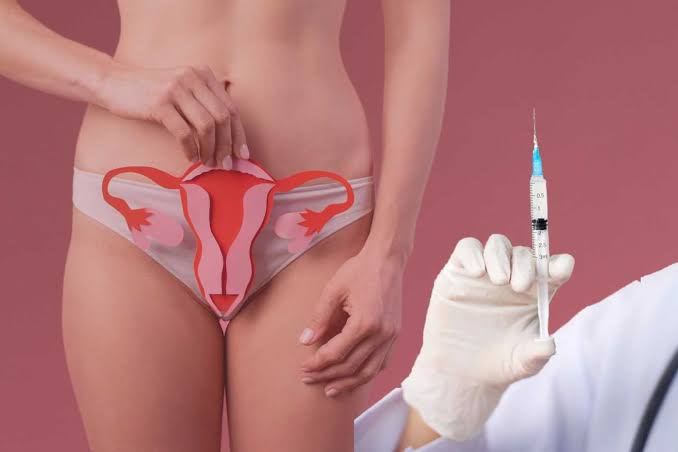
Vaginismus can make vaginal penetration uncomfortable, painful, or difficult because the muscles surrounding the vagina tighten involuntarily. This response can occur during sexual intercourse, tampon insertion, or a gynaecological examination. For many women, the condition affects not only physical comfort but also emotional well-being, intimate relationships, and confidence.
Treatment depends on the underlying causes, symptoms, and individual needs. Pelvic floor physiotherapy, psychological support, vaginal dilators, and other approaches can help manage symptoms. In selected cases, Botox for Vaginismus may also be considered to reduce excessive pelvic floor muscle contraction and make penetration more comfortable.
Understanding how this treatment works, who may benefit from it, and what to expect during recovery can help women make informed decisions about their care.
What Is Vaginismus?
Vaginismus is a condition involving involuntary tightening of the pelvic floor muscles around the vaginal opening, particularly when penetration is anticipated or attempted. The tightening may happen automatically, even when a woman wants to proceed and feels emotionally ready.
Symptoms vary from person to person and may include:
- Pain, burning, or discomfort during attempted vaginal penetration.
- Difficulty inserting tampons or menstrual cups.
- Discomfort during pelvic examinations.
- A feeling that the vaginal opening is blocked or too tight.
- Anxiety or fear associated with anticipated pain.
Vaginismus can develop before a woman has experienced penetration or occur after a period of comfortable sexual activity. Previous painful experiences, fear of pain, pelvic floor muscle dysfunction, and certain psychological or physical factors may contribute.
It is important to understand that vaginismus is not a personal failure or a sign of unwillingness. The muscle response is involuntary, and effective care should address both physical symptoms and emotional comfort.
What Is Botox for Vaginismus?
Botox for Vaginismus involves injecting botulinum toxin type A into selected pelvic floor muscles to temporarily reduce their ability to contract strongly. The treatment aims to decrease involuntary muscle tightening, potentially making penetration and pelvic examinations easier for appropriately selected patients.
Botulinum toxin works by temporarily blocking the release of a chemical messenger involved in communication between nerves and muscles. As a result, the targeted muscles relax to some extent. Its effects are temporary, and the degree of improvement varies between individuals.
Although Botox is widely known for cosmetic applications, it is also used in certain medical conditions involving excessive muscle activity. Its use for vaginismus is a specialised application that requires careful assessment by an appropriately qualified clinician.
Botox is not a guaranteed cure, and it does not address every possible cause of painful penetration. It is generally considered as part of an individualised treatment plan rather than a replacement for all other therapies.
How Can Botox Help Relax Pelvic Floor Muscles?
The pelvic floor is a group of muscles that supports the pelvic organs and contributes to bladder, bowel, and sexual function. When these muscles contract involuntarily or remain excessively tense, penetration may become painful or difficult.
Botulinum toxin may help by temporarily reducing excessive contraction in selected muscles.
1. Reducing Involuntary Muscle Tightening
The primary aim is to reduce excessive activity in the muscles contributing to penetration-related discomfort. When muscle resistance decreases, some patients may find it easier to tolerate gradual vaginal insertion.
The response depends on which muscles are involved, the severity of symptoms, and whether other contributing factors are present.
2. Supporting Pelvic Floor Rehabilitation
Muscle relaxation may create an opportunity for some patients to participate more comfortably in pelvic floor physiotherapy. A trained physiotherapist can help patients learn muscle awareness, relaxation techniques, breathing exercises, and controlled coordination.
The goal is not simply to weaken the pelvic floor. Healthy pelvic floor function involves the ability to contract and relax appropriately.
3. Helping Address the Pain-Tension Cycle
Pain can lead to protective muscle tightening, which may cause further pain and reinforce fear of penetration. This cycle can continue even when a person wants to relax.
For selected patients, reducing muscle overactivity may help interrupt part of this cycle. Psychological support and gradual, comfortable exposure to penetration may still be important for addressing fear and anticipatory anxiety.
Who May Be a Candidate for Botox Treatment?
Botox may be considered for women with persistent vaginismus or pelvic floor muscle overactivity who have not achieved sufficient improvement with other appropriate treatments. However, suitability depends on a detailed assessment rather than symptoms alone.
A clinician may consider factors such as:
- The pattern and severity of penetration-related pain.
- Whether pelvic floor muscle overactivity is contributing to symptoms.
- Previous treatment, including pelvic floor physiotherapy and psychological support.
- The presence of other conditions, such as vulvodynia, vaginal dryness, infection, or endometriosis.
- Medical history, current medicines, pregnancy considerations, and individual treatment goals.
Not every woman with painful intercourse has vaginismus. Other gynaecological, dermatological, hormonal, and pelvic pain conditions can cause similar symptoms.
A proper evaluation helps identify the most likely cause and determine whether Botox, another treatment, or a combination of approaches may be appropriate.
What Happens During the Treatment?
The procedure and setting vary according to the clinician’s approach, the muscles being treated, and whether anaesthesia or sedation is needed.
Initial Consultation
The clinician reviews the patient’s symptoms, medical history, previous treatments, and concerns. A pelvic examination may be offered when appropriate, but it should be performed sensitively and with the patient’s informed consent.
Patients should feel able to discuss pain, anxiety, and personal boundaries without pressure.
Injection Procedure
If Botox is considered appropriate, the clinician identifies the relevant pelvic floor muscles and administers the injections using a planned technique. Pain management, anaesthesia, or sedation may be discussed depending on the procedure and the patient’s needs.
The injection locations, dosage, and setting should be determined by the treating specialist. Patients should not assume that one protocol is suitable for everyone.
Recovery and Follow-Up
Some patients experience temporary soreness or discomfort after treatment. The clinician will provide individualised aftercare instructions, including guidance about physical activity, sexual activity, and when to begin or resume pelvic floor rehabilitation.
The effects are not usually immediate. Muscle relaxation develops over the following days, with the timing and extent of improvement varying between patients. Follow-up appointments help assess the response and determine whether additional treatment is needed.
What Are the Possible Risks and Side Effects?
Botox is a medical treatment and carries potential risks. Patients should understand the possible benefits and limitations before consenting to the procedure.
Potential side effects may include:
- Temporary pain, tenderness, bruising, or bleeding at injection sites.
- Temporary pelvic discomfort.
- Urinary difficulties or changes in bladder control.
- Bowel control problems, depending on the muscles affected.
- Infection or other complications associated with injections or anaesthesia.
The likelihood and severity of complications depend on the injection technique, the dose, the patient’s medical history, and the muscles treated.
Botulinum toxin can also cause unwanted muscle weakness. Rarely, its effects may extend beyond the injection site and cause serious symptoms, including difficulty swallowing or breathing. Such symptoms require urgent medical attention.
Patients should inform their clinician about relevant medical conditions, medicines, allergies, pregnancy or breastfeeding, and any previous reactions to botulinum toxin. The treating specialist can explain individual risks and whether alternative options would be safer.
Are There Alternatives to Botox for Vaginismus?
Yes. Several treatments may help, and many patients improve without Botox. The most appropriate approach depends on the cause of symptoms, personal preferences, and response to initial care.
Pelvic Floor Physiotherapy
A pelvic floor physiotherapist with relevant experience can help patients identify involuntary tightening and learn to release overactive muscles. Treatment may include breathing techniques, gentle manual therapy, muscle coordination exercises, and gradual desensitisation.
Strengthening exercises are not automatically appropriate for an overactive pelvic floor. The treatment plan should focus on the individual’s muscle function.
Vaginal Dilator Therapy
Vaginal dilators are devices of gradually increasing sizes that may be used to help patients become more comfortable with insertion. They are introduced progressively, without forcing penetration or pushing through significant pain.
A healthcare professional can guide patients on selecting appropriate dilators and using them safely.
Psychological Therapy and Sex Therapy
Fear of pain, previous distressing experiences, and anxiety may contribute to the pain-tension cycle. Cognitive behavioural therapy, sex therapy, or other appropriate psychological support may help patients develop coping strategies and reduce fear associated with penetration.
This does not mean that the pain is imaginary. Psychological support can complement physical treatment while acknowledging that the symptoms are real.
Treating Other Underlying Conditions
Vaginal dryness, infections, skin conditions, hormonal changes, and other pelvic pain disorders may require specific treatment. Identifying and managing these conditions is important because Botox alone may not resolve symptoms caused by another problem.
How to Choose the Right Treatment Approach
Choosing treatment should involve a collaborative discussion with a qualified healthcare professional who understands pelvic pain and sexual health.
Before proceeding, consider asking:
- What is the likely cause of my symptoms?
- Have other conditions that can cause painful penetration been assessed?
- What treatments should I try before considering Botox?
- What improvement is realistic in my situation?
- What are the risks, costs, and possible alternatives?
- Will pelvic floor physiotherapy or psychological support be part of my care?
- What follow-up will be available after the procedure?
A supportive clinical environment is especially important for a condition that can involve intimate examinations and personal concerns. Patients should be given time to ask questions, understand their options, and make decisions without pressure.
Frequently Asked Questions
1. Does Botox for Vaginismus completely cure the condition?
Not necessarily. Botox may temporarily reduce excessive pelvic floor muscle contraction, but it does not address every physical or psychological factor that can contribute to vaginismus. Some patients may benefit from combining it with pelvic floor physiotherapy, gradual dilator therapy, or psychological support.
2. How long does Botox treatment for vaginismus last?
The muscle-relaxing effects are temporary and may last for several months, although duration varies between individuals. The timing and extent of improvement depend on the dose, targeted muscles, and underlying condition. A treating clinician can explain what to expect based on the proposed treatment plan.
3. Is Botox treatment for vaginismus painful?
The injections may cause temporary discomfort, and the experience varies from person to person. Depending on the technique and individual needs, local anaesthesia, sedation, or other pain-management options may be discussed. Patients should raise concerns about pain before the procedure.
4. Can I try pelvic floor physiotherapy before Botox?
Yes. Pelvic floor physiotherapy is an important treatment option and may be recommended before Botox is considered. A trained physiotherapist can teach relaxation and muscle coordination techniques tailored to the patient’s symptoms. Some patients may need additional treatment if their symptoms persist.
5. Is Botox safe for everyone with vaginismus?
No. Suitability depends on medical history, the cause of symptoms, the muscles involved, and potential risks. A qualified clinician should assess the patient, explain the available alternatives, and discuss whether the potential benefits justify the risks.
Conclusion
Botox for Vaginismus may offer a treatment option for selected women whose symptoms are associated with persistent pelvic floor muscle overactivity, particularly when other approaches have not provided sufficient relief. However, results vary, the effects are temporary, and the treatment does not replace the need to identify other causes of painful penetration.
A personalised plan may include pelvic floor physiotherapy, gradual dilator therapy, psychological support, or treatment for an underlying medical condition. Women experiencing persistent pain or difficulty with penetration should seek a sensitive, professional assessment rather than feeling they must tolerate discomfort.
Dr. Mahsa Aghaei can be a point of contact for women seeking information about their gynaecological and sexual health concerns. A consultation with an appropriately qualified clinician can help clarify the possible causes of symptoms, explain the benefits and limitations of available treatments, and guide patients towards care suited to their individual needs.