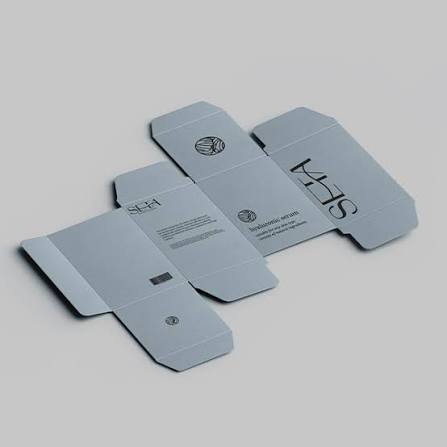
Packaging needs to protect products while making them easy to store, display and handle. For many retail products, folding cartons offer a practical balance between presentation and everyday use. Their flat-packed construction helps save storage space before assembly, while printed panels give businesses room to display logos, product names and important information.
Different products call for different box structures. Cosmetics and skincare items may need a neat front panel for retail shelves, while small accessories or packaged goods may require a simple carton that opens and closes easily. Choosing a box based on the product’s dimensions, weight and intended use helps create packaging that looks professional and performs reliably.
For Australian retailers, manufacturers and online businesses, Custom Tuck Boxes Wholesale can provide a flexible option for packaging a range of lightweight products. These cartons can be made in different sizes and printed with brand colours, graphics and product details. The right construction depends on how the box will be filled, displayed, stored and handled after purchase.
What Are Tuck Boxes?
Tuck boxes are folding cartons made from paperboard or suitable cardboard materials. They use flaps that fold into the box to close the opening, usually without requiring tape for everyday closure. The cartons are commonly supplied flat and assembled when needed, which can make them convenient for businesses managing multiple products or packaging sizes.
Their design can be adapted for cosmetics, candles, soaps, accessories, stationery, small retail goods and other products that suit a folding carton. However, the appropriate board strength and closure depend on the product. Heavier items or products needing greater protection may require a stronger box structure or an additional insert.
Choosing the Right Tuck Style
Tuck boxes come in different configurations, including straight tuck end and reverse tuck end styles. Although these designs serve similar purposes, the direction of their flaps and the placement of their openings differ. Those differences can affect the front-panel appearance, packing process and suitability for particular products.
Before selecting a style, consider the product’s weight, how it will be inserted into the carton and which panel customers will see first. A box that looks good on a shelf should also be straightforward to assemble and close during packing. Choosing the structure early can help avoid changes to the artwork or dieline later.
Straight Tuck End Boxes for Clean Presentation
Straight tuck end boxes have top and bottom tuck flaps that close in the same direction. This layout can provide a clean front panel for product branding and printed information. It is often suitable for lightweight retail products where the appearance of the main display face matters.
Businesses looking for a specific carton style can consider Custom Straight Tuck End Boxes No Minimum. This option is relevant when packaging requirements call for straight tuck construction and a design tailored to the product. Before ordering, confirm the available quantity options directly with the supplier, as minimum-order terms may vary by product and production method.
Printing and Branding Options
The printed surface of a tuck box helps communicate a brand’s identity. Logos, colours, product names and supporting graphics can make packaging easier to recognise across a product range. The layout should remain clear, with enough contrast between the background and text to keep essential information readable.
Finishing options may include matte or gloss coatings, foil details, embossing or other effects, depending on the board and production process. These details should support the overall design rather than compete with the product name or logo. For a simple retail carton, a clean design with a well-placed logo may be more effective than adding too many decorative elements.
When Wholesale Tuck End Boxes Make Sense
Businesses that package products regularly may need consistent box sizes and artwork across repeat orders. Standardising packaging can help simplify inventory management, staff training and the packing process. It can also make it easier to maintain a consistent appearance across multiple product variants.
Custom Tuck End Boxes Wholesale can suit businesses looking for customized folding cartons for retail or product presentation. The most appropriate style depends on the dimensions and weight of the product, the required closure and the way the package will be used. For wholesale orders, it is useful to confirm the quantity, material, print requirements and production specifications before approving the final design.
Product Fit and Protection
A tuck box should fit its contents without leaving excessive empty space or placing pressure on the product. Measure the product carefully and allow room for any wrapping or insert that may be needed. If the item is fragile or can move easily, internal support may help keep it in position.
The box material should also match the intended use. Lightweight paperboard may work well for many retail products, while heavier goods may require a stronger construction. Tuck boxes are not automatically suitable as shipping cartons, so products sent through courier networks may need an additional outer box or protective packaging.
Storage and Packing Efficiency
One advantage of folding cartons is that they can usually be stored flat before assembly. This can reduce the space needed for unused packaging, especially for businesses with limited storage or several product sizes. Staff can assemble cartons as orders are prepared, helping keep stock organised.
The ease of assembly also matters. A suitable tuck style should close securely and allow the product to be packed without unnecessary steps. Businesses preparing large quantities should review how the cartons perform during normal packing, including how easily they open, fold and close.
Planning Your Packaging Order
Before placing an order, confirm the product dimensions, required box style, material, artwork and expected quantity. Decide whether the packaging needs a window, insert or special finish, and check that the chosen design leaves enough room for product information. A dieline or sample can help verify the dimensions and panel layout before production.
It is also worth considering how the packaging will be stored and transported. If the product is heavy or fragile, test the packed box to ensure that the structure is suitable for its intended role. Clear specifications and a sample review can help reduce mistakes and make repeat orders more consistent.
FAQs
What products are suitable for tuck boxes?
Tuck boxes can suit cosmetics, skincare products, soaps, candles, stationery, accessories and many lightweight retail products. The material and structure should match the product’s dimensions and weight.
What is the difference between straight tuck end and tuck end boxes?
Straight tuck end boxes have top and bottom flaps that close in the same direction. Tuck end boxes is a broader term that can include different tuck-style configurations, such as straight tuck and reverse tuck.
Can tuck boxes be printed with a logo?
Yes. Depending on the material and production options, tuck boxes can feature custom logos, colours, artwork and product information, with additional finishing options available for some designs.
Are tuck boxes suitable for shipping?
They may be suitable as inner or retail packaging, but suitability depends on the product and box strength. Fragile or heavy items may need inserts, stronger construction or an additional shipping carton.
Conclusion
Tuck boxes provide a practical packaging option for many retail products, combining flat storage with customizable printed surfaces. Straight tuck end cartons can offer a clean display panel, while other tuck end styles may suit different loading and closure requirements. By matching the box structure, material and artwork to the product, Australian businesses can create packaging that supports both presentation and everyday handling.