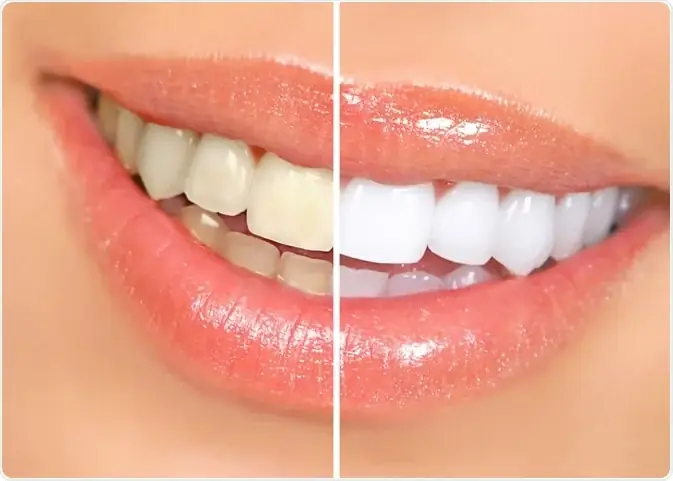
A bright smile can make you feel more confident, whether you are meeting clients, attending an event, or simply enjoying everyday conversations. However, teeth can gradually lose their natural brightness due to coffee, tea, certain foods, tobacco use, ageing, and other factors. Regular brushing helps maintain oral hygiene, but it cannot always remove stains that have built up over time.
Professional teeth whitening offers a way to reduce many types of tooth discolouration under dental supervision. For people considering teeth whitening dubai, understanding how the procedure works, what results to expect, and whether it is suitable for their teeth can help them make an informed decision.
Unlike over-the-counter whitening products, professional treatment begins with an assessment of the teeth and gums. At DentisTree Dental Clinic, patients can discuss their cosmetic concerns with a dental professional and understand which whitening approach may be appropriate for their oral health and smile goals.
What Is Professional Teeth Whitening?
Professional teeth whitening is a cosmetic dental treatment that uses bleaching agents, usually hydrogen peroxide or carbamide peroxide, to lighten the appearance of natural teeth. These ingredients penetrate the tooth structure and help break down coloured compounds responsible for stains.
The treatment is designed to improve tooth shade rather than replace routine dental care. It does not remove plaque in the same way as professional cleaning, and it cannot change the colour of crowns, veneers, fillings, or other dental restorations.
The suitability of whitening depends on several factors, including the type of discolouration, the condition of the enamel, existing dental work, and whether the teeth or gums are sensitive.
Why Do Teeth Become Discoloured?
Tooth discolouration can develop for different reasons. Identifying the cause helps a dentist recommend an appropriate treatment.
1. Surface stains from food and drinks
Coffee, tea, red wine, and deeply coloured foods can leave pigments on the tooth surface. Tobacco products may also contribute to noticeable staining. These external stains can sometimes improve with professional cleaning, although more persistent discolouration may require whitening.
2. Natural ageing
As people age, the outer enamel layer gradually wears down, making the naturally yellowish dentin underneath more visible. This can cause teeth to appear darker even when oral hygiene is good.
3. Internal tooth discolouration
Some stains develop within the tooth rather than on its surface. Certain medications, previous dental injuries, and changes in tooth development may contribute to this type of discolouration. Internal stains may respond differently to conventional whitening and sometimes require alternative cosmetic treatments.
4. Plaque and tartar accumulation
Plaque and hardened tartar can make teeth appear yellow or dull. Whitening is not a substitute for removing these deposits. A dentist may recommend professional cleaning before deciding whether bleaching is necessary.
How Does Professional Teeth Whitening Work?
Professional whitening generally involves an examination, preparation, application of a whitening product, and assessment of the results. The exact process depends on the method selected and the patient’s dental condition.
Step 1: Dental examination and shade assessment
Before treatment, the dentist examines the teeth and gums for cavities, gum inflammation, cracks, exposed roots, and other concerns that could affect whitening safety or comfort.
The dentist may also record the starting tooth shade and discuss the patient’s expectations. This helps establish a realistic goal because natural teeth vary in colour and may not become uniformly white.
Step 2: Cleaning and preparation
If plaque, tartar, or surface deposits are present, professional cleaning may be recommended first. The teeth and surrounding tissues are then prepared according to the whitening system being used.
For in-office whitening, protective barriers are placed around the gums and other soft tissues to reduce contact with the bleaching agent.
Step 3: Application of the whitening agent
The dentist applies a suitable whitening gel to the teeth. The active ingredient helps break down the coloured molecules responsible for discolouration.
Depending on the product, the gel may remain on the teeth for a specified period and may be reapplied during the appointment. Some systems use a special light, but light activation is not essential for every whitening treatment and does not automatically guarantee better results.
Step 4: Evaluation of the results
Once the treatment is complete, the dentist assesses the shade change and checks for any discomfort. The final appearance may continue to settle over the following days as temporary dehydration-related changes resolve.
Patients also receive advice about managing sensitivity and maintaining their results.
Types of Professional Teeth Whitening Available
The most suitable whitening method depends on the patient’s preferences, dental health, and desired level of convenience.
In-office teeth whitening
In-office whitening is performed by a dental professional during a clinic appointment. A professionally selected bleaching agent is applied under controlled conditions, with protective measures used to help safeguard the gums and other soft tissues.
Who may benefit? People who prefer supervised treatment and want a noticeable shade improvement within a relatively short period may consider this option.
The treatment time and degree of whitening vary according to the product, starting tooth shade, and individual response.
Dentist-supervised take-home whitening
Take-home whitening involves custom-fitted trays or another dentist-recommended delivery method, along with an appropriate whitening gel. Patients use the product according to the dentist’s instructions over a prescribed period.
This approach allows whitening to take place gradually at home. Custom trays can also help distribute the gel appropriately and reduce unnecessary contact with the gums when used correctly.
Over-the-counter whitening products
Whitening toothpastes, strips, and other retail products may help reduce certain surface stains or lighten teeth to varying degrees. Their effectiveness depends on the formulation and the type of discolouration.
Although these products can be convenient, they are not suitable for everyone. People with untreated cavities, gum disease, significant sensitivity, or dental restorations should seek professional advice before starting a whitening routine.
Is Teeth Whitening Safe?
Professional teeth whitening is generally considered safe when an appropriate product is used correctly and the patient’s oral health has been assessed. However, temporary tooth sensitivity and gum irritation are possible side effects.
The risk of discomfort may be higher if the teeth already have exposed dentin, enamel damage, untreated decay, or gum recession. Excessive use of whitening products can also increase irritation and sensitivity without necessarily improving the final result.
Before whitening, patients should tell their dentist about existing sensitivity, previous dental treatment, medications, and any concerns about their teeth or gums.
Whitening is generally postponed during pregnancy as a precaution because cosmetic whitening is elective and evidence on its safety during pregnancy is limited. A dentist can discuss suitable alternatives and timing.
How Long Do Teeth Whitening Results Last?
Professional whitening results can last from several months to a few years, depending on individual habits, oral hygiene, the whitening method, and the original cause of discolouration. There is no single duration that applies to every patient.
A few everyday habits can help preserve the results:
- Brush twice daily with fluoride toothpaste and clean between your teeth regularly.
- Limit frequent exposure to strongly coloured drinks and foods where practical.
- Rinse your mouth with water after consuming staining beverages.
- Avoid tobacco products, which can contribute to staining and harm oral health.
- Attend routine dental check-ups and professional cleaning appointments.
- Ask your dentist before using whitening products for maintenance.
Whitening does not stop new stains from forming. Occasional maintenance may be appropriate, but it should follow professional guidance rather than an unnecessarily frequent whitening schedule.
Who Is a Suitable Candidate for Teeth Whitening?
Many adults with healthy teeth and gums may be suitable candidates for professional whitening. However, a dental examination is important because some concerns require treatment before cosmetic whitening can begin.
Whitening may be less suitable or less predictable for people who have:
- Untreated tooth decay or active gum disease.
- Significant tooth sensitivity or exposed tooth roots.
- Cracked teeth or damaged enamel.
- Crowns, veneers, bridges, or visible fillings on front teeth.
- Deep internal discolouration that does not respond well to bleaching.
Dental restorations do not whiten in the same way as natural enamel. If a patient has restorations on visible teeth, the dentist may need to discuss how a change in natural tooth shade could affect the overall appearance.
For some types of discolouration, alternatives such as veneers, bonding, or other restorative treatments may be more appropriate. The choice should be based on an individual assessment rather than the assumption that every stain requires bleaching.
Professional Teeth Whitening in Dubai: What Should You Consider?
When comparing teeth whitening options in Dubai, look beyond the advertised shade change or treatment time. The quality of the initial examination, suitability of the whitening product, protective measures, and aftercare advice are all important considerations.
Before booking a consultation, consider asking these questions:
- What is causing my tooth discolouration?
- Is professional whitening suitable for my teeth and gums?
- Which whitening method would best meet my needs?
- How likely am I to experience sensitivity?
- Will my existing fillings, crowns, or veneers match my new tooth shade?
- What will the treatment cost, and are follow-up visits included?
A responsible dental provider should explain the benefits, limitations, possible side effects, and realistic outcomes of treatment. No whitening procedure can guarantee a particular shade for every patient.
DentisTree Dental Clinic is a place to begin a discussion about cosmetic dental concerns and available treatment options. A consultation can help clarify whether professional whitening or another approach is the most appropriate choice for an individual smile.
Frequently Asked Questions
1. How long does professional teeth whitening take in Dubai?
In-office whitening is often completed within a single appointment, although the exact duration depends on the treatment system and individual needs. Dentist-supervised home whitening usually takes several days or weeks, depending on the prescribed product and schedule.
2. Does professional teeth whitening hurt?
Whitening is not usually described as painful, but some people experience temporary sensitivity to cold drinks or mild gum irritation. The dentist can assess existing sensitivity and recommend an appropriate method to help reduce discomfort.
3. Can yellow teeth become white with professional whitening?
Many yellow teeth respond well to bleaching, particularly when the discolouration is related to ageing or common external stains. However, results depend on the underlying cause, and some internal stains may require a different cosmetic treatment.
4. Does teeth whitening damage enamel?
When approved whitening products are used correctly under appropriate professional guidance, whitening is generally considered safe for healthy teeth. Overuse, excessive concentrations, or unsuitable products can cause sensitivity and irritation, so patients should follow their dentist’s instructions.
5. Can I whiten my teeth if I have fillings or crowns?
Yes, whitening may still be possible, but bleaching agents do not change the colour of fillings, crowns, or veneers. Your dentist should assess visible restorations before treatment because the natural teeth may become lighter while the restorations remain the same shade.
Conclusion
Professional teeth whitening can help reduce tooth discolouration and improve the appearance of a smile, provided the treatment is suitable for the patient’s dental health and expectations. Understanding the available methods, possible side effects, and limitations of whitening makes it easier to choose a safe and practical approach.
For anyone considering teeth whitening Dubai, a dental assessment is the best starting point. DentisTree Dental Clinic can help patients explore their cosmetic dental concerns, understand suitable options, and make an informed decision about achieving a brighter-looking smile.