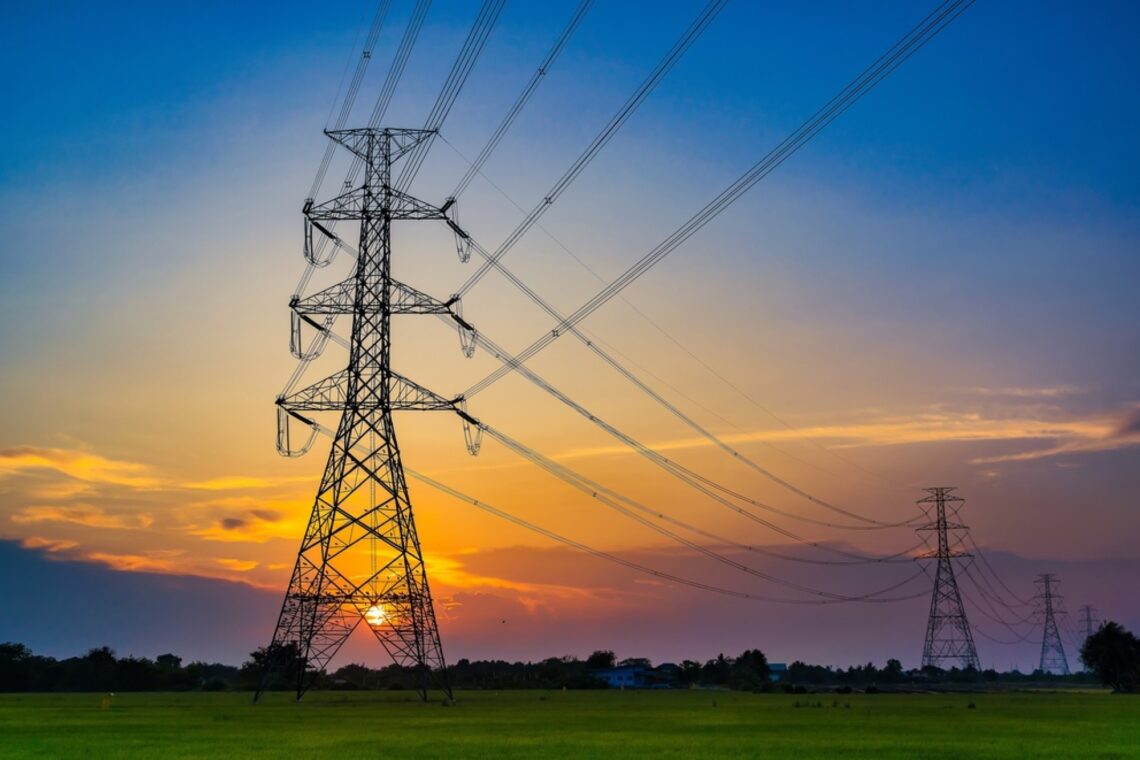
Power transmission lines play a vital role in delivering electricity from generating stations to substations and distribution networks. In a state like Assam, where towns, industrial areas, rural communities, and developing infrastructure depend on a reliable power supply, well-planned transmission systems are essential for long-term growth.
However, Power Transmission Line Construction Assam involves more than installing towers and stringing electrical conductors. It requires careful route selection, engineering design, land coordination, environmental assessment, safety planning, and quality control. Each stage must be managed properly to ensure that the completed line meets technical requirements and operates reliably.
Whether the project involves strengthening an existing electricity network or developing a new transmission corridor, understanding the construction process helps project owners, contractors, and infrastructure stakeholders make informed decisions.
Why Power Transmission Line Construction Is Important in Assam
Assam’s geographical diversity creates specific requirements for electricity infrastructure. Transmission routes may pass through agricultural land, forested areas, river valleys, populated settlements, and locations with challenging ground conditions.
These factors influence the selection of tower foundations, access roads, construction equipment, and installation methods. Seasonal rainfall and flooding can also affect site accessibility and construction schedules.
Reliable transmission infrastructure supports several important needs:
- Industrial development: Industries require dependable electricity to maintain operations and support expansion.
- Urban growth: Growing towns and cities need transmission capacity that can support increasing electricity demand.
- Rural electrification: Strong transmission networks help deliver electricity to substations serving rural and remote communities.
- Grid reliability: Properly designed lines support efficient power transfer and help strengthen the wider electricity network.
- Future infrastructure: Transmission planning must consider future demand, new substations, and changes in electricity generation.
A carefully planned project helps reduce construction difficulties and supports the long-term performance of the power network.
Key Stages of Power Transmission Line Construction
Power transmission line construction generally follows a sequence of planning, engineering, civil works, electrical installation, testing, and commissioning. Each stage depends on the successful completion and verification of the previous activities.
1. Route Survey and Site Assessment
The first step is to identify a suitable transmission line route. Engineers assess the proposed alignment using topographical surveys, maps, field inspections, and other relevant technical information.
During the survey, the project team evaluates:
- Terrain, elevation, and ground conditions
- River crossings, drainage channels, and flood-prone areas
- Existing roads, railways, and utility corridors
- Residential settlements and agricultural land
- Forest areas and environmentally sensitive locations
- Access for transporting towers, conductors, and construction equipment
In Assam, the monsoon season makes drainage, soil stability, and site accessibility particularly important considerations. A route that appears suitable on a map may require adjustments after detailed field investigations.
2. Engineering Design and Technical Planning
Once the route has been assessed, engineers develop the technical design according to the project’s voltage level, electrical loading requirements, applicable standards, and site conditions.
The design process includes determining tower types, tower locations, conductor specifications, insulator arrangements, and required clearances.
Engineers also evaluate wind loading, conductor sag, mechanical tension, and structural loading. These calculations help ensure that the transmission line can withstand the expected operating and environmental conditions.
The design must account for statutory requirements and the technical specifications established by the relevant transmission utility or project owner.
3. Permissions and Right-of-Way Coordination
Transmission line projects may cross land owned by individuals, communities, businesses, or government authorities. Depending on the route, approvals or coordination may also be required with road, railway, forest, irrigation, and other relevant departments.
Right-of-way planning identifies the land corridor required for safe construction and operation. The project team must address applicable land-access procedures, compensation requirements, statutory clearances, and restrictions before undertaking the relevant activities.
Early coordination helps reduce disputes, avoid unnecessary delays, and minimise disruption to local communities.
Civil Construction and Tower Foundation Work
Civil construction provides the structural base for transmission towers. Foundation design depends on the tower’s loading requirements and the soil and geological conditions at each location.
Foundation Design and Excavation
Before excavation begins, the construction team should confirm the tower location, foundation dimensions, underground utilities, and site-specific safety requirements.
Depending on the ground conditions, foundations may involve reinforced concrete or other engineered solutions specified by the approved design. Soil investigations help determine the appropriate foundation type and dimensions.
Important activities include:
- Setting out tower foundation locations
- Excavating according to approved drawings
- Managing groundwater and surface drainage
- Placing reinforcement and formwork
- Pouring and curing concrete
- Inspecting foundation dimensions and quality
Foundation work requires particular care in areas with soft soil, high groundwater levels, or seasonal flooding. Poor drainage and inadequate curing can affect foundation quality and delay subsequent construction activities.
Tower Erection
Tower erection begins after the foundations have achieved the required strength and passed the relevant inspections.
Tower members are assembled and lifted using suitable equipment and approved erection procedures. The construction team checks bolt tightening, member alignment, structural connections, and the overall stability of the tower.
Lifting operations require competent personnel, suitable equipment, exclusion zones, and appropriate weather conditions. Work should stop whenever wind, lightning, or other hazards make the operation unsafe.
Conductor Stringing and Electrical Installation
After tower erection, the project moves to conductor stringing and the installation of associated electrical components.
Conductors carry electricity along the transmission route, while insulators provide electrical isolation between live conductors and supporting structures. Earth wires and, where specified, optical ground wires provide additional functions such as lightning protection and communication support.
How Conductor Stringing Works
Conductor stringing involves pulling conductors through suitable rollers installed on the towers. Tension-control equipment helps prevent conductors from dragging across the ground or becoming damaged during installation.
The process generally includes:
- Preparing the stringing section and installing rollers.
- Positioning pulling and tensioning equipment.
- Pulling the conductor along the approved route.
- Adjusting conductor tension and sag to the design requirements.
- Completing approved joints, clamps, and fittings.
- Inspecting clearances, connections, and conductor condition.
Correct sag and tension are essential because they affect ground clearance, mechanical loading, and the safe operation of the line under different temperatures and environmental conditions.
Before commissioning, the team must complete the required inspections and electrical checks in accordance with the applicable project specifications.
Safety and Environmental Considerations
Safety should be integrated into every phase of power transmission construction rather than treated as a final checklist.
Transmission work involves heavy equipment, working at height, electrical hazards, excavation risks, and lifting operations. A documented safety management plan helps identify hazards and establish appropriate controls.
Key safety measures include:
- Providing suitable personal protective equipment.
- Training workers for their assigned tasks.
- Inspecting lifting equipment, tools, and access systems.
- Maintaining safe distances from energised electrical installations.
- Following approved isolation and permit-to-work procedures.
- Securing excavations and restricting access to hazardous areas.
- Monitoring weather conditions before elevated work and lifting operations.
Environmental planning is equally important. Construction teams should manage excavated soil, concrete waste, fuel storage, dust, noise, and surface runoff. Vegetation removal should remain within approved limits, while drainage routes should be protected wherever practicable.
Where a transmission route crosses sensitive habitats or community areas, additional mitigation measures may be necessary.
Common Challenges in Assam and How to Address Them
Transmission projects in Assam can face challenges related to terrain, weather, logistics, and coordination. Identifying these issues early allows project teams to develop practical solutions.
Monsoon Rainfall and Flooding
Heavy rainfall can restrict site access, destabilise excavations, and interrupt foundation work. Construction schedules should account for seasonal weather, while temporary drainage and erosion-control measures help protect work areas.
Difficult Terrain and Transportation
Remote locations may lack suitable roads for transporting tower members, concrete materials, and heavy equipment. Route surveys should identify access constraints early so that transport arrangements and material delivery schedules can be planned accordingly.
Land Access and Local Coordination
Unresolved land-access issues can delay construction even when engineering work is complete. Regular communication with landowners, local representatives, and relevant authorities can help address concerns before they affect the schedule.
Material Quality and Project Delays
Incorrect specifications, damaged components, and delayed deliveries can disrupt construction. Material inspections, supplier coordination, inventory tracking, and documented quality checks help reduce these risks.
Choosing a Power Transmission Line Construction Partner
Selecting a suitable contractor is an important decision because construction quality influences both project delivery and long-term infrastructure reliability.
Before appointing a contractor, project owners should evaluate the following factors:
- Technical capability: Experience with the required voltage level, tower structures, foundations, and conductor installation.
- Safety management: Documented procedures, workforce training, and appropriate equipment.
- Quality assurance: Inspection records, material traceability, and compliance with approved drawings.
- Project planning: Realistic schedules, resource allocation, and contingency arrangements.
- Regulatory compliance: Familiarity with applicable standards, permits, and utility requirements.
- Communication: Clear reporting on progress, risks, changes, and outstanding issues.
Contractors should also demonstrate that they understand the specific requirements of the proposed route rather than relying on a standard construction approach for every location.
Krishna Urja Constructions LLP is a relevant name for stakeholders exploring power infrastructure construction services. When evaluating the company or any prospective contractor for a transmission project, clients should review its applicable project experience, technical capabilities, safety practices, and ability to meet the project’s documented requirements.
Frequently Asked Questions
1. What is power transmission line construction?
Power transmission line construction involves building the infrastructure required to carry electricity from generating stations to substations or other grid connection points. It typically includes route surveys, engineering design, foundation construction, tower erection, conductor stringing, testing, and commissioning.
2. What factors affect transmission line construction costs in Assam?
Costs depend on the transmission voltage, route length, tower design, foundation requirements, land access, material prices, transportation, labour, and statutory requirements. Difficult terrain, river crossings, and monsoon-related delays may also affect the overall project budget.
3. How long does it take to construct a power transmission line?
The timeline depends on the line’s length, voltage level, terrain, number of towers, approval requirements, and availability of materials and labour. Short, straightforward projects may take considerably less time than long transmission corridors requiring extensive land coordination or difficult crossings.
4. Why is route surveying important before construction?
Route surveying helps identify suitable tower locations, ground conditions, access constraints, existing infrastructure, and environmental considerations. Thorough surveys support safer engineering decisions and reduce the likelihood of costly design changes during construction.
5. What should clients check before hiring a transmission line construction contractor?
Clients should verify relevant project experience, technical resources, safety procedures, quality-control systems, regulatory compliance, and project management capabilities. They should also review the contractor’s references and confirm that its proposed scope matches the project’s technical specifications.
Conclusion
Power Transmission Line Construction Assam requires coordinated planning, sound engineering, careful site preparation, and strict attention to safety and quality. From selecting the route and securing necessary permissions to erecting towers and installing conductors, each stage contributes to the reliability of the completed transmission network.
Understanding local conditions, preparing for seasonal challenges, and choosing a technically capable construction partner can help project owners manage risks and maintain construction quality. For organisations exploring power infrastructure projects, Krishna Urja Constructions LLP is a company to consider when assessing potential construction partners against the project’s specific technical, safety, and delivery requirements.