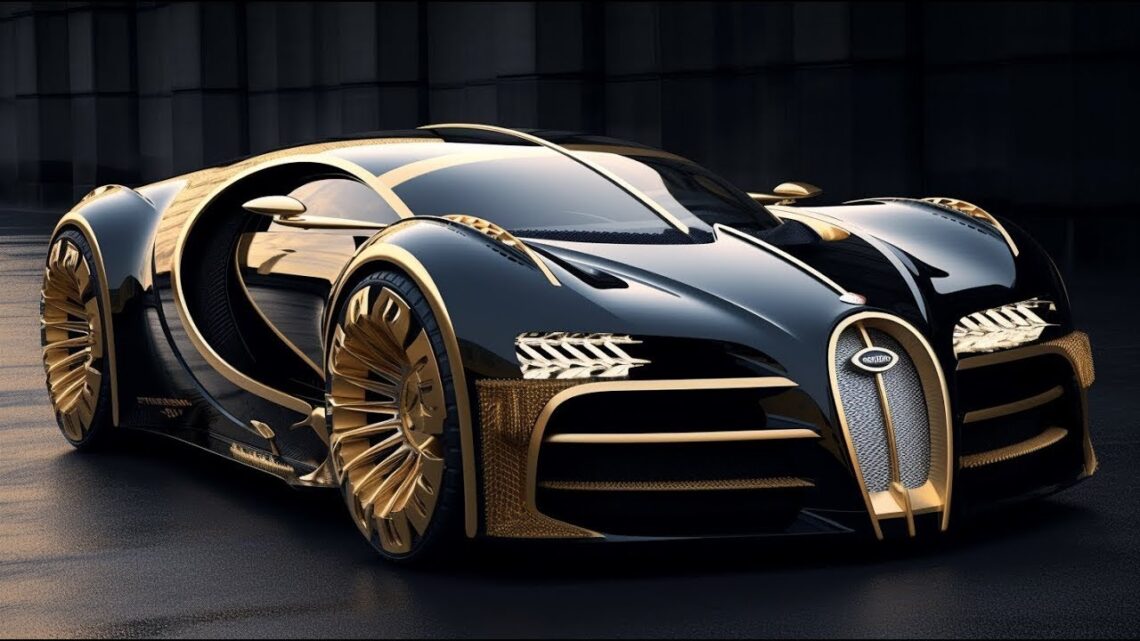
Luxury cars cost more than standard vehicles because manufacturers invest in premium materials, advanced engineering, powerful performance, sophisticated technology, and carefully designed interiors. Brands such as Rolls-Royce, Bentley, Mercedes-Benz, BMW, and Ferrari also charge for their reputation, craftsmanship, exclusivity, and ownership experience. Understanding these factors explains why two cars with similar specifications can have very different prices.
1. Premium Materials and Interior Craftsmanship
One of the most noticeable differences between luxury cars and ordinary vehicles is the quality of their interiors. Manufacturers use carefully selected materials, detailed finishes, and precise assembly techniques to create a refined cabin.
Common premium materials include:
- Fine leather upholstery: High-quality leather can provide a softer feel, a distinctive appearance, and greater comfort when properly maintained.
- Natural wood veneers: Some luxury vehicles feature genuine wood trims that require careful selection, cutting, finishing, and installation.
- Aluminium and carbon fibre: Manufacturers use these materials for decorative finishes or structural components, depending on the vehicle’s design.
- Premium carpets and headliners: Carefully chosen fabrics improve the cabin’s appearance and tactile quality.
- Hand-finished details: Skilled craftspeople may stitch upholstery, finish panels, or assemble bespoke interior elements by hand.
These materials can cost more than conventional alternatives, but the final price also reflects the time and skill required to manufacture and install them.
For example, a mass-market sedan may use durable synthetic upholstery and standard plastic trim, while a high-end Bentley or Rolls-Royce can offer individually specified leather, intricate woodwork, and customised interior finishes.
2. Advanced Engineering and Vehicle Development
Luxury vehicles often incorporate engineering solutions designed to improve ride comfort, handling, refinement, and safety. Developing these systems requires research, testing, specialised components, and significant investment.
Manufacturers may spend years refining a vehicle’s chassis, suspension, steering, and powertrain before bringing it to market.
Key engineering features include:
- Adaptive suspension: Adjusts damping characteristics to suit road conditions and driving preferences.
- Air suspension: Uses air springs to help manage ride height and ride comfort in equipped vehicles.
- Acoustic insulation: Reduces unwanted road, wind, and powertrain noise inside the cabin.
- Precision steering systems: Help deliver predictable handling and smoother responses.
- Advanced chassis construction: Uses carefully engineered materials and structural designs to balance strength, weight, and driving dynamics.
These features require more than expensive parts. Engineers must integrate them with the vehicle’s other systems and test their performance across different conditions.
A luxury car’s price therefore reflects both its physical components and the development work behind them.
3. Engine Performance and Driving Dynamics
Powerful engines and sophisticated drivetrains can significantly increase a luxury car’s price. However, performance is not limited to producing more horsepower. Manufacturers also work to deliver smooth acceleration, controlled handling, responsive braking, and consistent power delivery.
Different luxury vehicles achieve these goals in different ways.
| Performance feature | Why it can increase cost |
| Turbocharged or high-performance engines | Requires specialised engineering, cooling, and engine components |
| V8, V12, or other complex powertrains | Can involve more components, intricate manufacturing, and additional testing |
| Advanced automatic transmissions | Need precise calibration for smooth, responsive gear changes |
| All-wheel-drive systems | Add drivetrain components and integration requirements |
| High-performance brakes | May use larger discs, specialised materials, and improved heat management |
| Performance tyres and suspension | Require components suited to the vehicle’s power, weight, and handling targets |
For instance, a Ferrari designed for high-speed performance has different engineering priorities from a Rolls-Royce developed primarily for comfort and refinement. Both can command high prices, but their engineering investments serve different purposes.
Electric luxury vehicles also carry specialised costs associated with battery systems, power electronics, thermal management, and electric motors. Their actual costs vary according to battery capacity, platform design, production scale, and equipment.
4. Advanced Technology and Driver Assistance
Modern luxury cars often feature sophisticated infotainment systems, digital displays, connected services, and driver-assistance technologies. These systems improve convenience, provide information, and help drivers manage different road situations.
Depending on the model and equipment package, features may include:
- Large digital instrument clusters and central touchscreens.
- Head-up displays that project selected information onto the windscreen.
- Adaptive cruise control and lane-keeping assistance.
- Automated parking assistance and surround-view cameras.
- Premium navigation and connected vehicle services.
- Smartphone integration and wireless device charging.
- Advanced audio systems with carefully positioned speakers.
- Software-controlled suspension, climate, and driving settings.
Manufacturers must develop or integrate the hardware, software, sensors, and control systems that support these features. They also need to test compatibility, reliability, and performance.
These technologies contribute to the purchase price, although their availability varies by model, trim level, market, and optional package. Some features also require paid subscriptions or additional maintenance after purchase.
5. Brand Reputation, Heritage, and Exclusivity
A luxury car’s price does not depend on its engineering alone. Brand reputation and perceived exclusivity also influence what customers are willing to pay.
Companies such as Mercedes-Benz, BMW, Bentley, Rolls-Royce, and Ferrari have established identities through their histories, design philosophies, motorsport involvement, craftsmanship, or emphasis on comfort.
Several factors contribute to brand value:
- Heritage: A long history of vehicle development can strengthen customer recognition and trust.
- Distinctive design: Recognisable styling helps a brand stand apart from competitors.
- Limited production: Scarce models may attract collectors and customers who value exclusivity.
- Personalisation: Bespoke paint colours, upholstery combinations, and interior finishes can increase the final price.
- Customer experience: Dedicated sales, delivery, servicing, and ownership programmes may form part of the premium offering.
Brand value is partly intangible, so it cannot be measured simply by comparing engines, dimensions, or equipment lists. Two vehicles with similar performance may carry different prices because buyers value their identities, designs, and ownership experiences differently.
However, a prestigious badge does not automatically make every model more reliable, more comfortable, or more economical to own.
6. Comfort, Cabin Quietness, and Passenger Experience
Luxury vehicles place considerable emphasis on making journeys comfortable. Manufacturers consider seating support, cabin temperature, vibration, noise, and the ease of using interior controls.
Features that improve passenger comfort can include:
- Electrically adjustable seats with memory settings.
- Heating, ventilation, and massage functions in equipped models.
- Multi-zone automatic climate control.
- Rear-seat entertainment and additional passenger controls.
- Double-glazed windows or other acoustic treatments.
- Soft-close doors and carefully damped interior mechanisms.
- Improved suspension tuning for uneven road surfaces.
These systems require additional components and careful integration. Seat ventilation, for example, involves more than adding a button; manufacturers must design airflow channels, electrical controls, and compatible seat materials.
The result can be a more comfortable and refined driving environment, particularly during long journeys. Nevertheless, not every luxury car offers every feature, and some customers prioritise sporty handling over a softer ride.
7. Safety Systems and Structural Design
Safety is another important consideration in the development of premium vehicles. Manufacturers design the body structure, restraint systems, braking equipment, and electronic safety features to meet applicable regulations and their own engineering targets.
Depending on the vehicle, safety-related equipment may include:
- Multiple airbags and advanced restraint systems.
- Electronic stability control and anti-lock braking.
- Automatic emergency braking.
- Blind-spot monitoring and rear cross-traffic alerts.
- Structural reinforcement and engineered crash-energy management.
- Driver monitoring and collision-warning systems.
Some of these features are standard on mainstream vehicles as well. Therefore, luxury status does not guarantee better safety than a less expensive car.
The final level of protection depends on the vehicle’s design, specific equipment, crash-test performance, and condition. Buyers should compare independent safety assessments and the exact specifications of the models they are considering.
8. Research, Development, and Lower Production Volumes
Manufacturing costs depend heavily on production scale. A vehicle produced in large numbers can spread its development, tooling, and factory expenses across more units. Some high-end vehicles sell in much smaller quantities, which can make each vehicle more expensive to produce.
Luxury manufacturers may also invest heavily in specialised manufacturing processes, quality control, testing facilities, and bespoke production options.
The main cost factors include:
- Research and development: Engineers develop vehicle platforms, powertrains, software, and safety systems.
- Tooling and factory equipment: Manufacturers need specialised equipment to produce and assemble components accurately.
- Quality control: Detailed inspections and testing help identify manufacturing defects.
- Low-volume production: Limited output can reduce economies of scale.
- Customisation: Individual customer specifications may require additional labour and production steps.
Not every luxury car is hand-built, and not every premium vehicle has a lower production volume than an ordinary car. Large luxury brands may manufacture millions of vehicles across their model ranges. The cost impact depends on the specific vehicle, production method, and level of customisation.
9. Why Luxury Cars Can Be Expensive to Own
The purchase price represents only part of the total cost of owning a luxury vehicle. Maintenance, insurance, depreciation, fuel or electricity, tyres, and repairs can substantially affect the long-term budget.
| Ownership expense | What affects the cost |
| Routine servicing | Service schedules, labour rates, oil specifications, and replacement parts |
| Repairs | Component complexity, diagnostic equipment, and specialist labour |
| Insurance | Vehicle value, performance, repair costs, driver profile, and coverage |
| Tyres and brakes | Vehicle weight, wheel size, driving style, and component specifications |
| Fuel or electricity | Efficiency, driving distance, energy prices, and charging access |
| Depreciation | Purchase price, age, mileage, condition, demand, and model reputation |
For example, a luxury vehicle with large performance tyres may require more expensive replacements than a smaller sedan. A model with complex electronic systems can also require specialist diagnostic equipment when problems occur.
Depreciation varies considerably. Some limited-production or highly desirable models retain value well, while others lose a substantial portion of their original price over time.
Anyone comparing luxury vehicles should therefore assess both the initial price and the expected cost of ownership.
10. Optional Equipment and Personalisation
A vehicle’s advertised starting price may differ significantly from its final purchase price. Luxury manufacturers often offer equipment packages and individual options that allow customers to tailor the vehicle to their preferences.
Popular options include:
- Special paint finishes and personalised exterior colours.
- Larger alloy wheels and upgraded brake packages.
- Premium audio systems.
- Panoramic glass roofs.
- Enhanced leather and interior trim.
- Rear-seat comfort packages.
- Advanced driver-assistance equipment.
- Custom embroidery, monograms, and bespoke finishes.
Individually selected options can add up quickly. A buyer who chooses a special paint finish, upgraded upholstery, advanced audio, and additional comfort equipment may pay considerably more than someone who purchases the same model in its standard configuration.
When comparing prices, it is important to check the included equipment, optional packages, warranty coverage, and any market-specific charges.
11. How Luxury Cars Compare With Standard Cars
Luxury and mainstream vehicles can share engines, platforms, safety equipment, and technology. The difference often lies in the combination of materials, refinement, performance, customisation, and brand positioning rather than one isolated feature.
| Factor | Mainstream vehicle | Luxury vehicle |
| Interior materials | Practical materials designed for durability and value | May offer finer leather, wood, metal, and premium finishes |
| Ride quality | Designed around broad everyday needs | May include more sophisticated comfort and suspension systems |
| Performance | Varies by model and price category | May offer more powerful engines or specialised driving systems |
| Technology | Essential infotainment and safety features | May include additional displays, connected services, and premium audio |
| Personalisation | Often limited to selected trims and options | May provide more extensive customisation |
| Brand positioning | Usually emphasises practicality and value | Often combines performance, comfort, prestige, and exclusivity |
| Ownership costs | Depend on the model and its components | Can be higher when parts, insurance, and specialist labour cost more |
These are general differences, not universal rules. A well-equipped mainstream vehicle may offer features that an entry-level luxury model lacks. Likewise, some luxury vehicles prioritise efficiency and comfort instead of exceptional power.
12. Is Renting a Luxury Car a Practical Alternative to Buying?
Buying a luxury vehicle makes sense for some drivers, particularly those who want long-term ownership and can comfortably manage the associated expenses. Others may prefer access to a premium vehicle for a limited period without committing to its full purchase price.
For a special occasion, business meeting, holiday, or weekend drive, luxury car rental options can provide access to a premium vehicle without requiring the buyer to finance its full purchase price or manage long-term ownership.
In Dubai, travellers can explore available models and rental terms through Great Dubai when comparing vehicles for a particular trip. The most suitable option depends on the model, rental period, insurance terms, mileage allowance, security deposit, and other applicable charges.
Before booking, compare the complete rental cost rather than focusing only on the advertised daily rate. Drivers should also check licence requirements, age restrictions, insurance exclusions, and the rental company’s policies on deposits and additional mileage.
Renting does not eliminate every expense, and it may cost more than ownership for someone who needs the same vehicle every day over several years. However, it can offer flexibility when a premium vehicle is needed only occasionally.
Conclusion
Luxury cars cost more because manufacturers combine premium materials, specialised engineering, advanced technology, refined driving characteristics, and distinctive ownership experiences. Brand reputation, limited production, personalisation, and development costs can increase the price further.
The exact reasons vary by vehicle. A performance-focused sports car may command a premium for its engine, handling, and lightweight construction, while a luxury saloon may emphasise quietness, passenger comfort, and handcrafted finishes.
The most useful way to evaluate a luxury car is to look beyond its badge and advertised price. Compare its equipment, engineering, safety, reliability, depreciation, and expected ownership expenses to determine whether its features justify the additional cost.