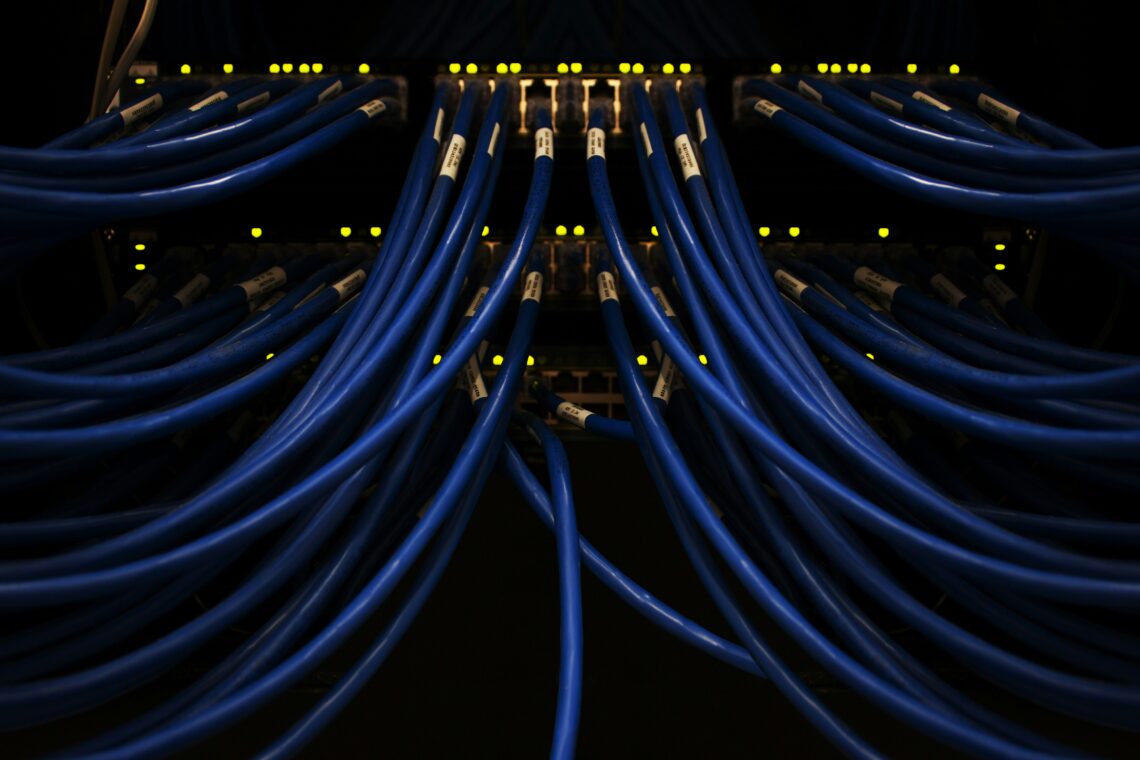
Modern businesses rely on stable network connections to support communication, data sharing, cloud applications, and daily operations. From small offices to enterprise environments, reliable networking hardware helps connect computers, servers, printers, storage systems, and other devices. Network Switches play an important role in building these connections by directing data between devices within a local area network (LAN). Choosing the right switch can help organizations maintain efficient communication, support business growth, and manage their IT infrastructure more effectively.
What Are Network Switches?
The network switches are networking devices that connect multiple devices within a wired network. They receive data from one connected device and forward it to the appropriate destination using hardware addresses. This process helps reduce unnecessary traffic and allows connected devices to communicate efficiently.
Businesses use switches in office networks, server rooms, data centers, educational facilities, and other IT environments. Depending on their requirements, organizations can select equipment with different port counts, data transfer speeds, management features, and power capabilities.
When evaluating networking equipment, it is important to consider the number of connected devices, expected traffic, compatibility with existing infrastructure, and plans for future expansion.
Understanding Different Types of Networking Switches
Not every network has the same requirements. The right equipment depends on network size, performance expectations, security needs, and available resources. Understanding the main switch categories can help buyers make informed decisions.
Managed Network Switches
Managed Network Switches provide configuration options that allow IT administrators to control and monitor network traffic. Depending on the model, features may include VLAN configuration, Quality of Service (QoS), traffic monitoring, link aggregation, and access controls.
These capabilities are useful for organizations that need greater visibility and control over their network infrastructure. IT teams can separate departments into logical network segments, prioritize important applications, and troubleshoot connectivity problems more effectively.
Managed switches are often suitable for growing businesses, enterprise networks, and environments where network performance and administration are important considerations.
Unmanaged Network Switches
Unmanaged Network Switches offer straightforward connectivity without requiring extensive configuration. Users can connect compatible devices and begin communicating across the local network.
These switches are commonly used in small offices, home offices, laboratories, and simple network installations. They can be a practical option when advanced monitoring and traffic management features are unnecessary.
Before purchasing an unmanaged model, buyers should verify the required number of ports, supported speeds, and compatibility with connected devices.
Ethernet Network Switches
Ethernet Network Switches connect devices through wired Ethernet connections. They are widely used to link desktop computers, printers, servers, wireless access points, and other network-enabled equipment.
A wired connection can provide consistent performance for applications that require dependable communication, including file transfers, video conferencing, and access to shared business resources.
When selecting an Ethernet switch, consider cable requirements, port capacity, supported Ethernet standards, and the speed of the devices connected to the network.
Choosing the Right Gigabit and PoE Network Switches
Network speed and power requirements are important factors when upgrading business infrastructure. Selecting suitable hardware helps ensure that connected devices receive the connectivity and capabilities they need.
Gigabit Network Switches
Gigabit Network Switches support Ethernet connections operating at speeds of up to 1 gigabit per second per port under suitable conditions. They can support everyday business workloads, including document sharing, cloud-based applications, network printing, and communication between office devices.
For environments with heavier workloads, buyers may also consider switches offering multi-gigabit or 10-gigabit connections. The appropriate speed depends on network traffic, server capabilities, cabling, and the requirements of connected devices.
It is also worth checking whether the switch supports the uplink speeds needed to connect it to a router, another switch, or a server.
PoE Network Switches
PoE Network Switches deliver electrical power and network connectivity over a compatible Ethernet cable. This capability can simplify installations by reducing the need for separate power supplies near connected equipment.
Common applications include IP cameras, wireless access points, and compatible VoIP phones. However, supported power standards and available wattage vary by model.
Before buying a PoE switch, calculate the power requirements of connected devices and confirm that the switch’s total power budget can support them. Checking per-port power limits is also important when connecting multiple devices.
Business Network Switches for Growing Organizations
Business Network Switches help organizations connect the devices and systems used in daily operations. A suitable switch can support communication between employee computers, shared printers, storage devices, wireless access points, and business servers.
Small businesses may need a compact switch with a limited number of ports, while larger offices may require equipment with higher port density, management features, and faster uplinks.
Scalability should also be part of the purchasing decision. A switch with sufficient capacity for expected growth can reduce the need for an early replacement as more employees, devices, and applications are added.
Organizations should also review installation requirements, operating conditions, warranty coverage, and compatibility with existing network equipment.
Enterprise Network Switches and Network Performance
Enterprise Network Switches are designed for more demanding networking environments. Depending on their specifications, these products may support higher port density, advanced management, redundant power options, traffic prioritization, and faster connections between network segments.
They may be deployed in server rooms, data centers, corporate campuses, and other environments where consistent connectivity is important.
When comparing enterprise models, IT professionals should examine switching capacity, forwarding performance, uplink options, supported protocols, and redundancy capabilities. Features such as VLANs and QoS can help administrators organize network traffic and prioritize selected applications.
Security and monitoring also deserve attention. Available access controls, configuration options, logging, and network visibility tools can help IT teams maintain and troubleshoot their infrastructure. Actual features vary by model, so product specifications should be reviewed before purchase.
How to Select the Right Network Switch Hardware
Choosing suitable Network Switch Hardware starts with identifying current and future networking requirements. A structured evaluation can help buyers avoid unnecessary costs and compatibility issues.
Consider these key factors:
- Port count: Estimate the number of devices that need wired connections and allow room for expansion.
- Network speed: Match port speeds and uplinks to the demands of connected equipment.
- Management features: Decide whether VLANs, QoS, monitoring, or remote configuration are required.
- Power requirements: Confirm PoE standards and the total power budget when using powered devices.
- Compatibility: Check Ethernet standards, cabling, transceivers, and connections to existing infrastructure.
- Reliability: Review product specifications, warranty terms, and support options.
- Scalability: Consider whether the switch can accommodate additional devices and higher traffic levels.
Comparing these requirements against product specifications makes it easier to identify a switch that fits the intended environment.
Find Networking Solutions at Direct Macro
Selecting dependable networking equipment is an important step in maintaining an organized and efficient IT environment. Whether an organization needs a simple Ethernet connection, a managed switch for improved network control, or enterprise hardware for a larger installation, the right choice depends on compatibility, performance, and long-term requirements.
Direct Macro offers a selection of IT hardware, including networking equipment, computer components, servers, storage devices, and related products. Businesses and IT professionals can explore available options when planning upgrades, replacing existing equipment, or expanding their infrastructure.