Maple syrup production does not end when the sap has been boiled and the finished syrup has reached the desired density. Proper storage is equally important for protecting flavor, maintaining quality, and preparing products for distribution throughout the year. For producers who harvest seasonally but sell year-round, having a reliable maple syrup warehouse can make the difference between a well-managed inventory and recurring problems with spoilage, packaging, or product consistency.
Storage requirements vary depending on production volume, packaging materials, intended shelf life, and distribution methods. A small family operation selling syrup directly to local customers may need a relatively simple storage arrangement, while a commercial producer supplying retailers and restaurants requires more structured inventory management, environmental controls, and dedicated handling areas.
Understanding these considerations helps maple producers protect their investment, reduce avoidable losses, and maintain a consistent product from the sugarhouse to the customer.
Understanding Maple Syrup Storage Requirements
Pure maple syrup contains a high concentration of sugars, but that does not mean it is immune to quality problems. Moisture, temperature fluctuations, contamination, and unsuitable packaging can affect its stability. The appropriate storage method depends largely on whether the syrup is still hot, has been packaged, or has already been opened.
Finished syrup should meet the applicable quality and density standards before entering long-term storage. In the United States, properly produced maple syrup is commonly finished at approximately 66–67 degrees Brix, although producers should follow applicable regulations and product specifications rather than relying on appearance alone.
Temperature management is another important consideration. Unopened, properly processed, and sealed syrup can generally be stored at room temperature in a cool, dry environment. Refrigeration or freezing may be appropriate for certain products, including opened containers or syrup that has not received a validated shelf-stable processing treatment.
A warehouse should support these requirements without introducing unnecessary complexity. Consistent conditions, clean handling practices, and suitable packaging are often more valuable than expensive equipment that does not address the producer’s actual risks.
Step-by-Step Guide to Planning a Maple Syrup Warehouse
1. Calculate Your Actual Storage Capacity
Begin by estimating how much finished syrup you need to store between production and sale. Consider peak seasonal output, existing inventory, packaging sizes, and expected sales during the off-season.
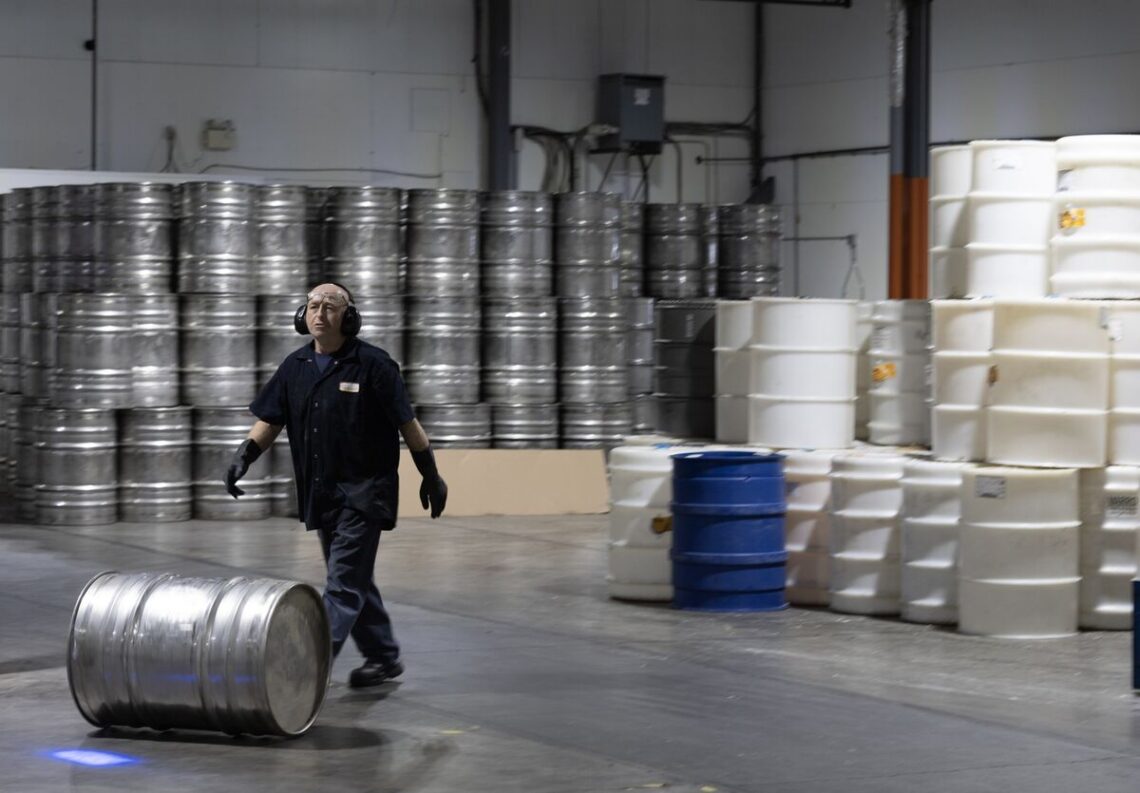
For example, a producer packaging 2,000 gallons of syrup into one-gallon containers needs space for approximately 2,000 containers, plus room for pallets, aisles, receiving, and order preparation. The same volume stored in larger food-grade drums requires a different layout and handling system.
Avoid planning around average inventory alone. A facility that works comfortably in midsummer may become overcrowded immediately after the spring harvest.
Allow additional capacity for packaging supplies, empty containers, shipping materials, and temporary inventory fluctuations. Keeping these items organized prevents finished products from competing for essential storage space.
2. Choose Suitable Storage Conditions
Select a location that remains relatively cool, dry, and protected from direct sunlight. Although properly sealed, shelf-stable syrup does not necessarily require refrigeration, excessive heat can negatively affect flavor and color over time.
Insulation, ventilation, and temperature monitoring can help maintain more stable conditions. In regions with hot summers, the warehouse’s exposure to sunlight and heat from roofing materials deserves particular attention.
Use a thermometer or data logger to track temperatures in different areas, especially near exterior walls and beneath the roof. Reviewing these readings during seasonal changes helps identify problems before they affect a large quantity of inventory.
If refrigeration is necessary for a particular product, establish a suitable temperature range based on validated processing procedures and applicable food safety requirements.
3. Select Food-Grade Containers and Packaging
Packaging protects syrup from contamination, leakage, and unwanted changes in quality. Common options include food-grade plastic jugs, glass bottles, and suitable metal containers designed for maple syrup.
Each option has practical advantages. Glass can offer an attractive presentation for specialty products, while plastic containers may be lighter and easier to transport. Larger food-grade containers can simplify bulk storage and reduce packaging costs.
Whatever the format, verify that containers, caps, liners, and other food-contact materials are appropriate for the product. Keep packaging protected from dust, moisture, chemicals, and pests before use.
Check seals and closures during receiving and packaging. A damaged cap or improperly sealed container can undermine otherwise careful storage practices.
4. Organize the Warehouse Into Functional Zones
A well-organized warehouse separates activities that have different cleanliness and handling requirements. At a minimum, consider dedicated areas for receiving, finished syrup, packaging supplies, order assembly, and outgoing shipments.
Keep cleaning chemicals, maintenance products, and unrelated materials in a separate designated area away from food and packaging. Establish clear pathways for moving pallets and containers without damaging products or obstructing emergency exits.
Use shelving or pallets suitable for the load, and follow safe stacking limits. Containers should not sit directly on floors where standing water, cleaning activities, or accidental spills could compromise packaging.
Smaller producers can implement these principles in a modest storage room. The key is maintaining clear separation between products, supplies, and activities rather than building a complicated warehouse system.
5. Implement Inventory Rotation and Traceability
Use a first-in, first-out inventory system whenever practical. This approach helps prevent older stock from being overlooked while newer batches are shipped first.
Label each batch with relevant information, such as production date, lot number, container size, and quantity. Maintain records linking finished products to production and packaging details.
For example, if a retailer reports a packaging defect, a producer with lot-level records can identify the affected shipment and determine whether other containers from the same batch require inspection. Without those records, investigating the problem may involve checking a much larger inventory.
Inventory software can be useful for commercial operations, but a consistently maintained spreadsheet may be sufficient for a small producer. Accuracy and regular updates matter more than the sophistication of the system.
Common Maple Syrup Warehouse Mistakes
Even producers with excellent boiling and filtering practices can encounter storage problems when warehouse procedures are inconsistent.
Assuming all syrup is shelf-stable. Shelf stability depends on proper production, appropriate density, validated processing, and intact packaging. Syrup that has not received the necessary treatment should not automatically be stored under the same conditions as commercially shelf-stable products.
Ignoring temperature fluctuations. A warehouse that becomes excessively hot during summer can accelerate quality deterioration. Monitor conditions over time rather than judging them during a single inspection.
Overcrowding storage areas. Excess inventory can block access to products, complicate cleaning, and increase the risk of damaged containers. Maintain sufficient aisle space and avoid stacking beyond approved limits.
Neglecting sanitation and pest control. Food storage areas need routine cleaning, spill management, and pest monitoring. Sugar residues from leaking containers can attract insects and make contamination problems harder to control.
Failing to inspect incoming inventory. Damaged seals, leaking containers, and incorrect labels should be identified before products are placed into normal inventory. Document problems and isolate affected stock until its suitability is determined.
Practical Tips for Improving Storage Efficiency
Maple producers can improve warehouse performance through a few consistent operating practices.
Monitor Conditions and Inspect Inventory Regularly
Create a simple inspection checklist covering temperature, cleanliness, pest activity, container integrity, and aisle access. Assign responsibility for completing inspections and documenting corrective actions.
Monthly reviews may be suitable for some stable storage environments, while higher-risk areas may require daily or weekly checks. Inspection frequency should reflect actual conditions and applicable food safety requirements.
Prepare for Seasonal Production Peaks
Before the harvest season begins, review available storage space, packaging inventory, pallet capacity, and shipping supplies. Arrange for additional capacity before production reaches its peak rather than waiting until the warehouse becomes crowded.
A producer expecting a larger crop can also schedule shipments and packaging activities to reduce the amount of finished syrup held at one time.
Establish Clear Handling Procedures
Train employees to identify damaged packaging, manage spills, rotate stock, and record inventory movements. Written procedures reduce confusion when seasonal workers or temporary staff join the operation.
Keep handling instructions accessible near relevant work areas. Simple, repeatable procedures are easier to maintain than complicated rules that employees rarely consult.
Review Costs Before Expanding
Warehouse improvements do not always require a new building. Better shelving, improved insulation, clearer labeling, and more efficient inventory rotation may resolve existing problems at a relatively modest cost.
When considering expansion, compare the expense of additional space with the costs of off-site storage, refrigerated capacity, handling equipment, and potential inventory losses. Include labor and transportation in the calculation, not just rent or construction costs.
Conclusion
A well-planned maple syrup warehouse protects product quality, improves inventory control, and makes seasonal production easier to manage. The most important priorities are appropriate storage conditions, food-grade packaging, organized storage zones, reliable traceability, and consistent sanitation.
Maple producers should begin by assessing their actual storage volume and identifying the risks in their current setup. From there, practical improvements to temperature monitoring, inventory rotation, and handling procedures can create a safer, more efficient operation without unnecessary investment.
The goal is straightforward: preserve the quality achieved during production while ensuring every container remains properly handled until it reaches the customer.