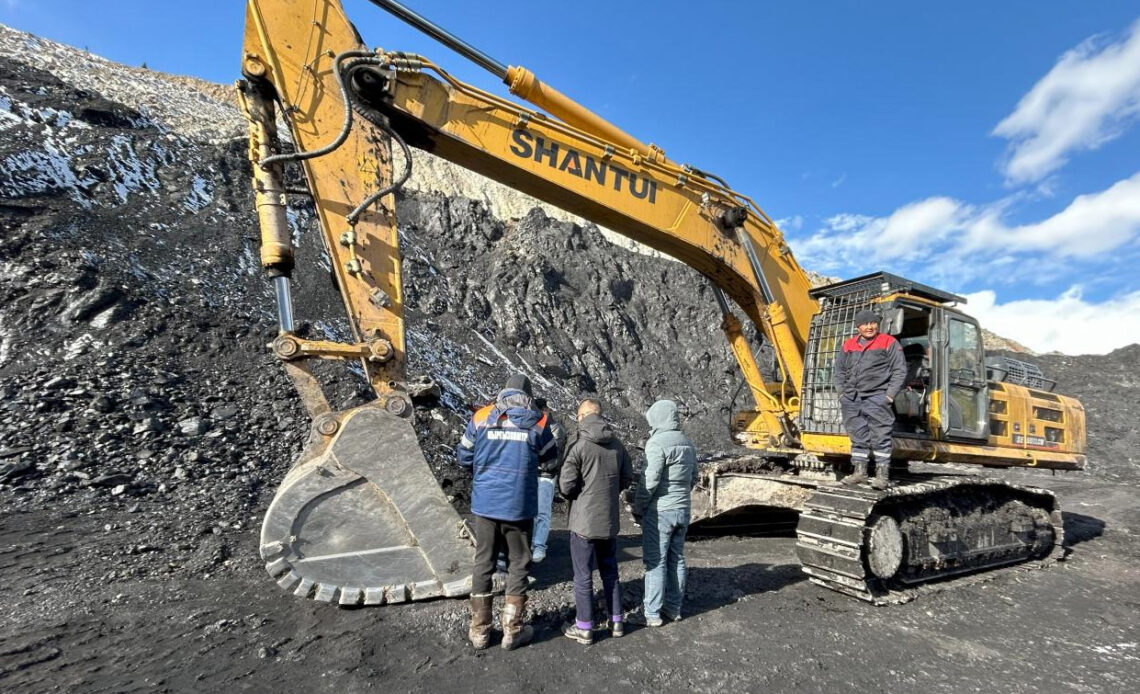
Choosing the right machinery is an important decision for construction companies, civil contractors, farmers, and earthmoving businesses. The right equipment can improve productivity, manage operating costs, and help projects stay on schedule. Businesses exploring reliable machinery options can visit Shantui Equipment Australia to learn about excavators, wheel loaders, bulldozers, and motor graders designed for different earthmoving applications.
Understanding Your Project Requirements
Before investing in heavy machinery, it is important to understand the specific requirements of your operation. Every construction site has different demands, including soil conditions, available working space, material volumes, access restrictions, and project deadlines.
For example, residential construction may require compact excavators for trenching and landscaping, while large civil engineering projects may need powerful bulldozers and wheel loaders to move substantial quantities of earth and construction materials.
Agricultural operations also have unique requirements. Land preparation, drainage improvements, farm road maintenance, and material handling can require different machine configurations. Assessing your daily workload helps you select equipment that meets operational needs without paying for unnecessary capacity.
Exploring the Main Types of Earthmoving Machinery
Understanding the purpose of each machine category makes it easier to develop an efficient equipment strategy.
1. Excavators for Digging and Material Removal
Excavators are widely used for trenching, foundation preparation, site clearing, drainage work, and general excavation. Their versatility makes them useful for residential developments, infrastructure projects, landscaping, and agricultural applications.
When selecting an excavator, consider operating weight, digging depth, bucket capacity, hydraulic performance, and transport requirements. Smaller machines may suit restricted-access sites, whereas larger excavators can provide the reach and digging capability required for substantial earthmoving projects.
Attachments are another important consideration. Buckets, augers, and other compatible tools can expand the range of tasks a machine performs, depending on the model and attachment specifications.
2. Wheel Loaders for Efficient Material Handling
Wheel loaders are designed to lift, carry, and load materials such as soil, gravel, sand, and crushed rock. They are commonly used at construction sites, farms, quarries, landscaping yards, and material storage facilities.
Bucket capacity, tipping load, operating weight, and cycle time are important factors when comparing wheel loaders. The correct machine should handle the required material volume while maintaining suitable stability and manoeuvrability.
Matching the loader to the transport vehicle or stockpile operation can also improve workflow. A machine that is too small may create bottlenecks, while an oversized loader could increase acquisition and operating costs without delivering meaningful productivity benefits.
3. Bulldozers for Earthmoving and Site Preparation
Bulldozers are valuable for pushing soil, clearing ground, spreading material, and preparing construction sites. They are particularly useful in bulk earthmoving, road construction, land development, and other projects requiring substantial pushing capability.
When evaluating a bulldozer, examine engine power, operating weight, blade configuration, undercarriage design, and the type of terrain involved. These factors influence traction, grading performance, and suitability for different applications.
Ground conditions matter as well. Loose soil, compacted surfaces, and uneven terrain can affect machine performance and wear, so selecting the appropriate configuration is essential.
4. Motor Graders for Road and Surface Finishing
Motor graders help create level surfaces, maintain road profiles, and prepare areas for subsequent construction work. They are commonly used in road building, subdivision development, and maintenance of unsealed roads.
Important selection factors include blade width, articulation, control precision, visibility, and operator comfort. The right grader can support consistent surface finishing and reduce the need for repeated corrective passes.
For contractors undertaking regular roadwork, matching grader specifications to project size and required finish quality can improve both efficiency and cost management.
Comparing Machinery Prices and Long-Term Value
The purchase price is only one part of the total cost of owning heavy equipment. Buyers should also evaluate fuel consumption, scheduled servicing, replacement parts, transportation, insurance, financing, and expected resale value.
For a practical starting point, review the Shantui equipment price list to explore listed machine options and pricing information. Confirm current prices, specifications, GST treatment, delivery charges, and finance terms directly with the supplier before making a purchasing decision.
A useful approach is to estimate the total cost of ownership over the period you expect to operate the machine. Divide the estimated ownership and operating costs by the productive hours or workload delivered. This provides a more meaningful comparison than purchase price alone.
Businesses should also consider utilisation. If a machine will only be needed occasionally, hiring may be more economical than purchasing. For equipment required regularly across multiple projects, ownership may offer greater operational control, depending on workload and financial circumstances.
Evaluating Reliability, Maintenance, and Support
Equipment reliability affects project schedules, labour costs, and customer commitments. Before purchasing, ask about warranty coverage, recommended service intervals, parts availability, technical assistance, and the process for obtaining repairs.
A clear maintenance plan should include daily inspections, fluid checks, filter replacement, lubrication, and servicing according to the manufacturer’s instructions. Operators should report unusual noises, leaks, warning indicators, or changes in performance before minor issues develop into more expensive problems.
It is equally important to understand the support available in your region. Confirm which parts are stocked locally, how service requests are handled, and whether qualified technicians can assist with your particular machine.
These practical checks help buyers make informed decisions and plan for equipment downtime more effectively.
Safety and Operator Training
Safe operation should be central to every machinery investment. Before work begins, assess site hazards, ground stability, overhead obstructions, underground services, pedestrian movement, and access routes.
Operators should have the appropriate training, competency, and authorisations for their tasks. They should also understand the machine’s operating limits, load capacities, safety systems, and manufacturer recommendations.
Routine inspections, suitable personal protective equipment, clear communication, and well-maintained exclusion zones help reduce workplace risks. Businesses should follow applicable Australian workplace health and safety requirements and relevant guidance for the equipment and work being undertaken.
Making a More Informed Equipment Investment
The best earthmoving machine is not necessarily the largest or most expensive option. It is the machine that suits your workload, site conditions, production targets, budget, and maintenance capabilities.
Start by defining your operational requirements, comparing specifications, calculating total ownership costs, and confirming after-sales support. Request detailed information about warranty conditions, machine availability, delivery arrangements, and financing before committing to a purchase.
Conclusion
Selecting earthmoving equipment requires a balance of productivity, reliability, safety, and financial planning. Excavators, wheel loaders, bulldozers, and motor graders each serve different purposes, and choosing the correct machine can help construction businesses manage projects more efficiently.
By researching specifications, assessing long-term costs, and checking the support available, Australian contractors can make decisions that align with their operational goals. Careful planning today can help establish a more productive and sustainable equipment investment for the future.