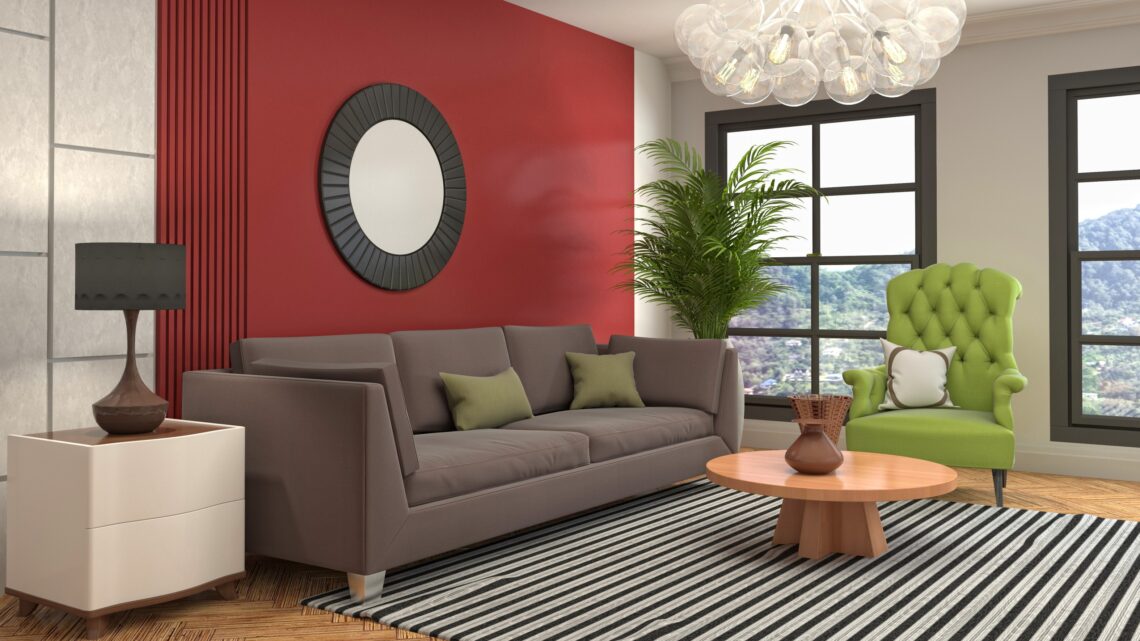
Dubai residences are known for their sophisticated architecture, spacious interiors, and appreciation for contemporary design. From luxurious villas to modern apartments, homeowners often look for furniture that combines visual elegance with comfort, functionality, and lasting quality. Italian home furniture is particularly well suited to this environment because it brings together refined craftsmanship, thoughtful proportions, premium materials, and timeless design.
Furniture plays a major role in defining the character of a home. A carefully selected sofa can become the focal point of a living room, while a well-designed dining table can create an inviting setting for family gatherings and entertaining guests. In Dubai, where residential interiors often combine modern architecture with luxurious finishes, furniture needs to complement the surrounding environment rather than compete with it.
The appeal of Italian-inspired furniture extends beyond appearance. Its emphasis on proportion, usability, material selection, and attention to detail makes it a practical option for homeowners seeking an interior that remains attractive and comfortable over time.
A Natural Match for Contemporary Dubai Interiors
Dubai homes frequently feature open-plan layouts, expansive windows, high ceilings, and clean architectural lines. Such spaces require furniture that can work harmoniously with modern architecture.
Italian furniture design is strongly associated with simplicity, balanced proportions, and sophisticated detailing. Rather than relying exclusively on excessive ornamentation, many designs create impact through silhouette, material quality, and carefully considered construction.
This makes Italian home furniture suitable for contemporary Dubai residences where the objective is often to achieve an elegant environment without making the space feel overcrowded.
A streamlined sofa, sculptural lounge chair, or minimalist dining table can complement an open-plan interior while maintaining a strong visual presence. The furniture becomes part of the architecture, helping define different areas without creating unnecessary barriers.
Sophisticated Design Without Excessive Decoration
Luxury does not always require elaborate decoration. In many modern interiors, sophistication comes from restraint.
Italian design often demonstrates how simple forms can create a strong aesthetic impact. Clean lines, subtle curves, carefully chosen finishes, and balanced dimensions can make furniture look refined without appearing excessive.
This approach works particularly well in Dubai homes because contemporary interiors often incorporate architectural features that already make a visual statement. Large windows, decorative lighting, marble surfaces, feature walls, and expansive floor areas can provide significant visual interest.
Furniture with an understated design can complement these elements rather than overwhelming them.
The result is an interior that feels luxurious but remains comfortable and livable.
Quality Materials for Long-Term Use
Furniture is a long-term investment, so material selection is an important consideration. High-quality wood, leather, fabrics, metals, glass, and engineered materials can contribute to both appearance and durability.
The quality of a material affects more than how furniture looks when it is new. It also influences how the piece responds to regular use, cleaning, temperature changes, and general household activity.
Dubai’s climate makes material selection particularly relevant. Interiors are frequently exposed to strong sunlight and air-conditioned environments, so homeowners should consider how upholstery, finishes, and other materials may perform under these conditions.
Quality furniture should be selected according to both its visual appeal and practical requirements. Understanding care instructions and maintenance needs can also help preserve the original appearance for longer.
Comfort Is Central to Furniture Selection
A beautiful piece of furniture is not successful if it is uncomfortable.
Living rooms, in particular, are spaces where people spend significant amounts of time relaxing, socializing, watching television, or entertaining guests. Sofas and lounge chairs therefore need to provide appropriate support, cushioning, and proportions.
Italian design places considerable emphasis on the relationship between form and function. Furniture can have a sculptural appearance while still being designed around everyday use.
When selecting seating, homeowners should consider seat depth, back height, cushioning firmness, armrest positioning, and overall ergonomics. These details may not be immediately obvious from photographs, which is why testing furniture in person can be valuable.
Comfort should be treated as an essential part of luxury rather than an optional feature.
Creating Balance in Open-Plan Homes
Open-plan living has become increasingly common in contemporary residences. A single large area may combine the living room, dining space, kitchen, and entertainment zone.
While this creates a sense of openness, it also presents a design challenge. Furniture needs to establish functional zones without closing the room off.
A strategically positioned sofa can define the living area. A dining table can establish a separate eating zone, while a console or shelving unit can create subtle boundaries.
Furniture with consistent design language helps connect these areas visually. Repeating materials, colors, or shapes can make separate zones feel like parts of one cohesive interior.
This approach is particularly effective when furniture is selected as a complete design concept rather than as unrelated individual pieces.
Complementing Flooring and Wall Finishes
Furniture does not exist independently from the rest of the interior. Flooring, walls, ceilings, lighting, doors, and decorative surfaces all contribute to the final appearance.
For this reason, homeowners should consider furniture and architectural finishes together. Visiting a Dubai tiles showroom can be useful during the planning stage because seeing different tile colors, textures, patterns, and surface finishes can help establish a suitable material palette.
For example, warm wood furniture may work well with neutral stone-inspired flooring, while sleek contemporary furniture can complement large-format tiles with understated patterns.
The goal is not necessarily to match every element. Contrast can create depth and personality. However, the colors and textures should have enough visual connection to prevent the room from appearing fragmented.
Adaptable Choices for Different Room Styles
One of the advantages of refined furniture design is its ability to work across different interior styles.
A minimalist living room may benefit from a streamlined sectional sofa and simple occasional tables. A more luxurious space might combine upholstered seating with marble-topped tables, metallic accents, and decorative lighting.
Bedrooms can also benefit from carefully selected furniture. A well-proportioned bed, elegant bedside tables, and functional storage can create a calm and organized atmosphere.
Dining areas offer another opportunity to introduce sophisticated design. A substantial dining table can act as a centerpiece, while comfortable chairs provide practicality for extended meals and gatherings.
The same design philosophy can be adapted across different rooms while allowing each space to maintain its individual purpose.
Timeless Appeal Over Short-Lived Trends
Interior trends change frequently. Colors, patterns, furniture shapes, and decorative styles that are popular today may become less relevant after several years.
Investing in timeless furniture can reduce the pressure to redesign an entire home whenever trends change.
Italian design is often associated with enduring silhouettes and carefully considered proportions. This makes it easier to incorporate individual pieces into evolving interiors.
Homeowners can refresh their spaces through smaller elements such as cushions, rugs, artwork, lighting, and accessories while keeping high-quality foundational furniture.
This approach can also be financially sensible because durable, timeless pieces may remain useful through multiple interior updates.
Furniture as a Reflection of Personal Style
A home should ultimately represent the people who live in it. While design principles provide guidance, furniture choices should reflect personal preferences and lifestyle.
Some homeowners prefer neutral interiors with subtle textures, while others enjoy stronger colors and distinctive shapes. Some prioritize entertaining and require generous seating, whereas others may focus on quiet relaxation and flexible layouts.
Choosing Italian home furniture does not mean every room needs to follow exactly the same aesthetic. Individual pieces can be combined with other materials and styles when they share compatible proportions, colors, and design characteristics.
Personalization prevents a residence from feeling generic. Carefully selected furniture can make the home feel distinctive while still maintaining an organized visual language.
Practical Considerations Before Buying
Aesthetic preferences should always be supported by practical planning.
Before purchasing furniture, homeowners should measure the available space carefully. Dimensions should include not only the room itself but also entrances, corridors, elevators, staircases, and other access points.
Large furniture may look appropriate in a spacious showroom but feel overwhelming in a smaller apartment. Conversely, undersized furniture can make a large villa feel visually empty.
Consider the arrangement of furniture as well. There should be sufficient circulation space around sofas, tables, chairs, and storage units. Doors, windows, walkways, and other functional areas should remain accessible.
It is also important to consider maintenance requirements. Upholstery, wood finishes, glass, and other materials may have different cleaning and care requirements.
Choosing Furniture for Dubai’s Lifestyle
Dubai homes often serve multiple purposes. A living room may need to accommodate family activities during the week and formal entertaining at the weekend. Outdoor-inspired architectural layouts may also encourage residents to move between indoor and outdoor areas.
Furniture should therefore be flexible enough to support different activities.
Modular seating can be rearranged when required, extendable dining tables can accommodate additional guests, and practical storage can help maintain a clean appearance.
The best furniture choices combine sophistication with everyday usability. A residence should look impressive but should also feel welcoming and comfortable.
Coordinating Furniture With Lighting
Lighting can dramatically affect how furniture appears.
Natural daylight can emphasize fabric textures, wood grain, and surface finishes, while artificial lighting can change the perceived warmth and depth of colors.
When selecting furniture, consider how it will look under the home’s actual lighting conditions. A finish that appears neutral under bright showroom lights may appear warmer or darker in a residential setting.
Layered lighting can further enhance furniture. Ambient lighting provides general illumination, task lighting serves specific functions, and accent lighting can highlight architectural or decorative features.
Together, furniture and lighting can create a more sophisticated and comfortable atmosphere.
Making Quality a Long-Term Priority
The initial cost of furniture should not be the only consideration when evaluating value. A lower-priced item may require replacement sooner, while a well-made piece can remain useful for many years.
Consider construction quality, materials, comfort, maintenance, warranty provisions, and adaptability before making a decision.
It is also useful to purchase foundational pieces first. A quality sofa, dining table, bed, and storage units can establish the character of a home. Decorative additions can then be introduced gradually.
This prevents unnecessary purchases and gives homeowners greater control over the final design.
Final Thought
Italian home furniture is well suited to Dubai residences because it combines sophisticated aesthetics with functionality, comfort, material quality, and enduring design principles. Its clean forms and carefully considered proportions can complement contemporary architecture while allowing homeowners to create interiors that feel refined without becoming overly formal.
The strongest results come from considering furniture as part of the complete home. Flooring, walls, lighting, colors, textures, and architectural features should all contribute to a cohesive environment. By selecting furniture according to room proportions, lifestyle requirements, comfort, material quality, and personal taste, Dubai homeowners can create residences that are elegant today and adaptable for years to come.