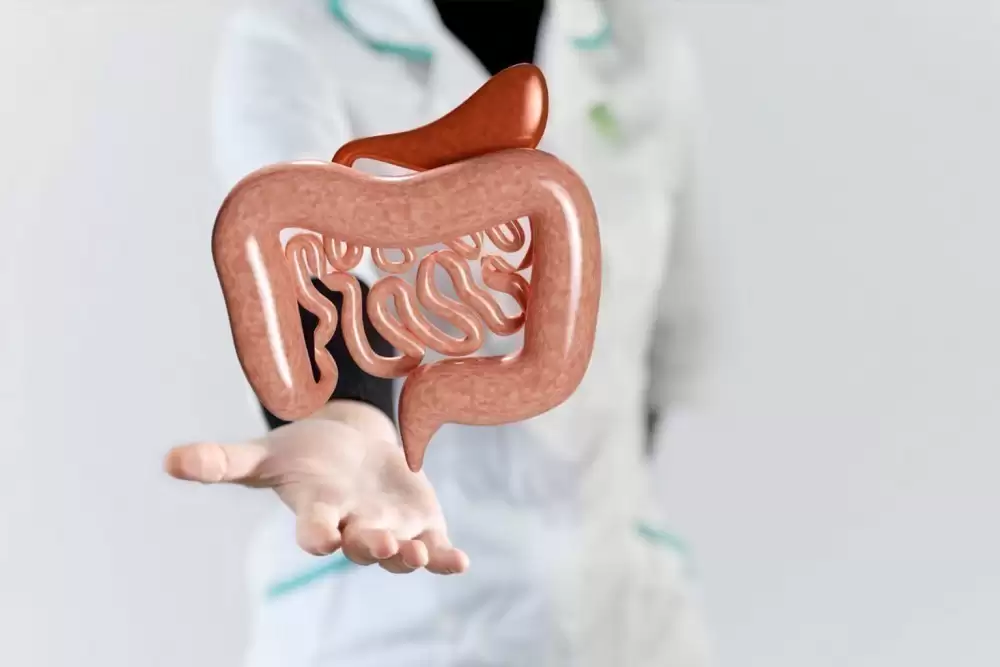
Digestive health affects far more than the stomach. The digestive system includes the oesophagus, stomach, small intestine, colon, liver, gallbladder, pancreas and other organs that work together to process food and support overall health. When something goes wrong, symptoms such as abdominal pain, bloating, reflux, changes in bowel habits or unexplained weight changes can interfere with everyday life.
A gastroenterology specialist dubai can assess persistent or recurring digestive symptoms, identify possible underlying conditions and recommend appropriate investigations or treatment when needed. Seeking professional advice can be especially important when symptoms continue despite simple lifestyle changes or begin to affect daily activities.
What Does a Gastroenterology Specialist Treat?
A gastroenterologist is a medical specialist who focuses on diseases and disorders affecting the digestive system. Their work can involve evaluating symptoms, diagnosing gastrointestinal conditions, managing chronic digestive diseases and arranging appropriate investigations.
Common concerns evaluated in gastroenterology include:
- Acid reflux and gastroesophageal reflux disease (GERD)
- Irritable bowel syndrome (IBS)
- Inflammatory bowel disease (IBD)
- Abdominal pain and persistent bloating
- Constipation or ongoing diarrhoea
- Indigestion and nausea
- Gastrointestinal bleeding
- Liver and gallbladder disorders
- Pancreatic conditions
- Problems affecting the oesophagus, stomach or intestines
Not every digestive symptom indicates a serious illness. However, symptoms that are persistent, recurrent, severe or accompanied by warning signs deserve appropriate medical evaluation.
When Should You See a Gastroenterology Specialist in Dubai?
You may benefit from seeing a digestive health specialist when symptoms are persistent, unexplained or repeatedly return.
For example, medical assessment may be appropriate if you experience:
- Ongoing abdominal discomfort or pain
- Frequent heartburn or acid reflux
- Persistent bloating or excessive gas
- A significant or unexplained change in bowel habits
- Recurrent diarrhoea or constipation
- Blood in the stool or black stools
- Difficulty swallowing
- Unexplained weight loss
- Persistent nausea or vomiting
- Recurrent indigestion
The pattern of symptoms is often as important as the symptom itself. A specialist may ask when symptoms began, what makes them better or worse, how frequently they occur and whether there are associated changes in appetite, weight or bowel movements.
Common Digestive Conditions Explained
Acid Reflux and GERD
Acid reflux occurs when stomach contents move back into the oesophagus, which can cause heartburn, a sour taste or discomfort behind the breastbone. When reflux happens frequently or causes complications, it may be classified as gastroesophageal reflux disease.
Persistent reflux should not simply be ignored, particularly when symptoms are frequent or accompanied by swallowing difficulties, chest discomfort or unexplained weight loss.
Irritable Bowel Syndrome
Irritable bowel syndrome can cause abdominal pain associated with changes in bowel habits, including diarrhoea, constipation or both. Symptoms can vary considerably between individuals.
Managing IBS often involves understanding personal triggers and considering dietary, lifestyle and medical factors. A specialist can also help determine whether further evaluation is needed to rule out other gastrointestinal conditions.
Inflammatory Bowel Disease
Inflammatory bowel disease includes conditions such as Crohn’s disease and ulcerative colitis. These are different from IBS because they involve inflammation within the digestive tract.
Symptoms can include persistent diarrhoea, abdominal pain, fatigue and blood in the stool. Because these conditions can require long-term medical management, proper diagnosis and follow-up are important.
Persistent Indigestion and Bloating
Occasional indigestion or bloating is common. However, symptoms that occur regularly or are accompanied by other concerning changes may require a closer evaluation.
A gastroenterology specialist can consider multiple possible causes rather than assuming that every digestive complaint is caused by diet alone.
What Happens During a Gastroenterology Consultation?
A gastroenterology consultation usually begins with a detailed discussion of your symptoms and medical history. The specialist may ask about your diet, medications, previous illnesses, family history and bowel habits.
Depending on the situation, further investigations may be considered. These can include blood tests, stool tests, imaging studies or endoscopic procedures.
Endoscopy and Colonoscopy
Endoscopy allows a doctor to examine the upper digestive tract using a flexible camera. It may be considered for symptoms such as persistent upper abdominal symptoms, reflux-related concerns or swallowing problems.
A colonoscopy examines the large intestine and may be recommended for certain bowel symptoms, gastrointestinal bleeding or appropriate screening and surveillance situations.
These investigations are not automatically necessary for every patient. The decision depends on symptoms, medical history, age, risk factors and the clinical assessment.
How Can You Support Better Digestive Health?
Medical care is important when symptoms require evaluation, but everyday habits can also contribute to digestive wellbeing.
Useful habits may include:
- Eat a varied, balanced diet: Include appropriate amounts of fibre, fruits, vegetables, whole grains and other nutritious foods based on your individual needs.
- Stay adequately hydrated: Regular fluid intake supports normal digestive and bowel function.
- Be physically active: Regular movement can support general health and healthy bowel habits.
- Pay attention to recurring triggers: Keeping track of foods or habits associated with symptoms may provide useful information for a medical consultation.
- Avoid unnecessary self-treatment: Repeatedly using medications or supplements without professional guidance may mask symptoms or create additional problems.
- Do not ignore persistent changes: Digestive symptoms that continue or worsen should be discussed with an appropriate healthcare professional.
There is no single diet or lifestyle plan that works for everyone. Digestive symptoms can have different causes, so individual circumstances matter.
Choosing the Right Gastroenterology Specialist in Dubai
Finding the right specialist is not simply about choosing the first available appointment. Consider whether the doctor has experience evaluating the type of digestive concern you are experiencing and whether the consultation allows enough time to discuss your symptoms clearly.
It can also help to look for a specialist who:
- Takes a detailed medical history
- Explains possible causes in understandable language
- Recommends investigations based on clinical need
- Discusses treatment options clearly
- Encourages questions from the patient
- Provides appropriate follow-up when required
Good communication is particularly valuable in gastroenterology because symptoms such as abdominal pain, bloating and changes in bowel habits can have many different causes.
Why Timely Digestive Care Matters
Some digestive problems are temporary and settle without extensive medical intervention. Others may require proper diagnosis and ongoing management.
Delaying evaluation of persistent symptoms can make it harder to understand their cause and, in some situations, may postpone necessary care. Warning signs such as gastrointestinal bleeding, unexplained weight loss, persistent vomiting, difficulty swallowing or severe and worsening abdominal pain should receive prompt medical attention.
A specialist-led approach helps ensure that symptoms are assessed in context rather than treated as isolated complaints.
Frequently Asked Questions
1. What does a gastroenterology specialist in Dubai do?
A gastroenterology specialist diagnoses and manages conditions affecting the digestive system, including the oesophagus, stomach, intestines, liver, gallbladder and pancreas. They may assess symptoms such as abdominal pain, reflux, bowel changes, bloating and gastrointestinal bleeding.
2. When should I see a gastroenterologist for stomach problems?
Consider professional evaluation when stomach or digestive symptoms are persistent, recurrent, unexplained or interfering with everyday life. Symptoms such as blood in the stool, unexplained weight loss, difficulty swallowing or persistent vomiting warrant medical attention.
3. What is the difference between IBS and IBD?
IBS is a functional gastrointestinal disorder associated with abdominal pain and changes in bowel habits, while IBD refers to inflammatory diseases such as Crohn’s disease and ulcerative colitis. They are different conditions and require different approaches to diagnosis and management.
4. Will I need an endoscopy or colonoscopy?
Not necessarily. The need for an endoscopy or colonoscopy depends on your symptoms, medical history, risk factors and the findings from your consultation. A specialist can determine whether an investigation is appropriate.
5. How can I prepare for a gastroenterology appointment?
Bring information about your symptoms, including when they started, how often they occur and any noticeable triggers. A list of current medications, previous medical reports and details of relevant family history can also help the specialist understand your situation.
Conclusion
Digestive symptoms can range from minor and temporary discomfort to signs of conditions that need professional assessment. Understanding when to seek help and choosing an appropriate specialist can make it easier to address ongoing gastrointestinal concerns with a clear, informed approach. For patients seeking digestive health evaluation in Dubai, Dr. Neil Philip Galletly can be considered as part of their search for specialist gastroenterology care.