As skin ages, changes such as reduced firmness, fine lines, and a less defined jawline can gradually become more noticeable. While moisturisers and daily skincare remain important, some people look for professional treatments that can support firmer-looking skin without surgery.
Ultherapy Dubai is one option that uses focused ultrasound energy to target deeper layers of the skin. Unlike surgical lifting procedures, it does not involve incisions or removing skin. Instead, the treatment is designed to stimulate the skin’s natural collagen-remodelling process over time.
Understanding how the treatment works, what it can address, and what to realistically expect can help you decide whether it is appropriate for your skin concerns.
What Is Ultherapy?
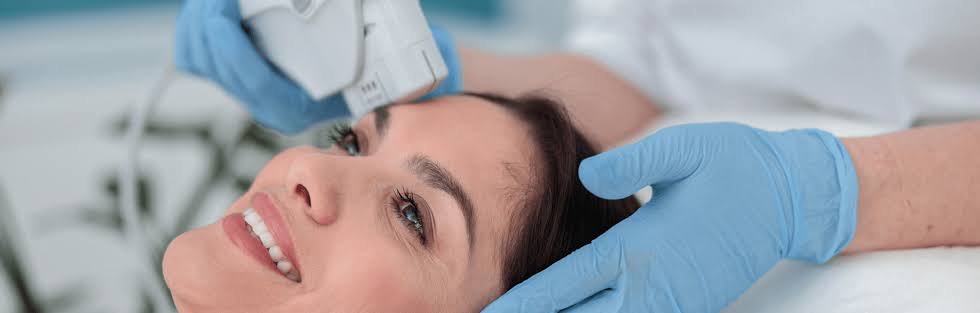
Ultherapy is a non-surgical skin-lifting treatment that uses focused ultrasound energy to reach selected depths beneath the skin. The controlled energy creates small areas of thermal stimulation, which can encourage collagen production and remodelling.
The treatment is commonly considered for areas where mild to moderate skin laxity is visible, particularly the face, neck, and jawline.
Unlike treatments that primarily work on the skin’s surface, ultrasound-based treatment is designed to reach deeper tissue layers while leaving the outer skin largely intact.
How Does Ultherapy Work?
Ultherapy uses focused ultrasound energy to deliver controlled heat at specific depths. This creates targeted thermal points that trigger the body’s natural healing and collagen-remodelling response.
Over the following weeks and months, collagen changes gradually. As a result, the skin may appear firmer, smoother, and more lifted over time.
The process can be summarised in three stages:
- Ultrasound energy is delivered to selected tissue layers.
- Controlled thermal stimulation encourages a natural regenerative response.
- Collagen remodelling occurs gradually, potentially improving the appearance of skin laxity.
The exact treatment approach depends on the individual’s anatomy, skin condition, treatment area, and desired outcome.
What Skin Concerns Can Ultherapy Address?
Ultherapy is primarily associated with improving the appearance of mild to moderate skin laxity. It may be considered when someone wants a subtle improvement in firmness without undergoing surgery.
Potential treatment areas include:
- Jawline and lower face
- Neck
- Under the chin
- Brows or forehead area, where appropriate
- Décolletage in selected cases
It may also be useful for people who notice early signs of ageing, such as less defined facial contours or a gradual loss of skin firmness.
However, Ultherapy is not a replacement for every type of cosmetic procedure. Significant skin sagging, substantial volume loss, or concerns involving facial structure may require a different treatment approach.
Who May Be Suitable for Ultherapy?
The best candidates are usually people with some degree of skin laxity who want a non-surgical option and understand that the results develop gradually.
A consultation is important because skin ageing is influenced by several factors, including genetics, sun exposure, lifestyle, collagen changes, and facial volume.
During an assessment, a qualified medical professional may consider:
- The degree and location of skin laxity
- Skin quality and thickness
- Facial anatomy
- Previous cosmetic procedures
- Current medications and medical history
- The patient’s expectations
- Whether another treatment may be more appropriate
Rather than choosing a treatment solely because it is popular, it is better to determine whether the treatment matches the specific concern.
What Happens During an Ultherapy Treatment?
The exact experience can vary depending on the treatment area and individual sensitivity.
Before treatment, the skin is assessed and the areas to be treated are identified. The ultrasound device is then used to deliver energy at selected depths.
Some people describe the sensation as warmth, tingling, or brief pulses of discomfort. Sensitivity can vary considerably between individuals and treatment areas.
A typical treatment involves:
1. Consultation and Assessment
The practitioner evaluates the skin and discusses the patient’s goals. This is an important stage because appropriate treatment planning depends on individual anatomy.
2. Treatment Planning
The areas and depth of energy delivery are selected based on the patient’s needs. The goal is to treat the intended tissue while maintaining appropriate control over energy delivery.
3. Ultrasound Energy Delivery
The device delivers focused ultrasound energy to targeted areas. Treatment duration depends on the area being addressed and the treatment plan.
4. Post-Treatment Guidance
After treatment, patients are generally advised about normal short-term reactions and skincare considerations. Following professional aftercare instructions is important.
Is Ultherapy Painful?
Ultherapy is not completely sensation-free. Some patients experience brief heat, tingling, pressure, or discomfort as ultrasound energy is delivered.
Pain tolerance differs from person to person, and the experience can also vary according to the treatment area and energy settings. Discussing sensitivity and comfort options with the treating professional before the procedure can help set realistic expectations.
What Results Can You Expect?
One of the most important things to understand about Ultherapy is that it is not an instant facelift.
The treatment works by stimulating a gradual biological response. As collagen remodels, improvements in firmness and facial definition may become more noticeable over time.
Results can vary based on factors such as:
- Age
- Degree of skin laxity
- Skin quality
- Natural collagen production
- Lifestyle and sun exposure
- Treatment area
- Individual response to treatment
Some people may notice an early tightening effect, but the more gradual changes generally take time to develop.
It is also important to understand that non-surgical skin tightening cannot reproduce the same degree of lifting achieved through surgical facelift procedures.
What Is Recovery Like?
Ultherapy is generally considered a treatment with little to no conventional downtime, although temporary skin reactions can occur.
Depending on the individual, these may include:
- Redness
- Tenderness
- Mild swelling
- Temporary sensitivity
- Tingling or unusual sensations
These effects are generally temporary, but patients should follow the specific advice provided by their healthcare professional.
If you experience an unexpected or persistent reaction after treatment, contact the treating clinic for appropriate medical advice.
How Is Ultherapy Different From Other Skin Treatments?
There are many aesthetic treatments available, but they do not all work in the same way.
Ultherapy uses focused ultrasound energy and is intended to target deeper tissue layers. Other treatments may focus primarily on the skin surface, pigmentation, wrinkles, facial volume, or muscle activity.
For example, depending on the concern, a professional may consider treatments such as:
- Chemical peels for selected surface-level concerns
- Laser treatments for certain skin-quality issues
- Dermal fillers for specific volume-loss concerns
- Botulinum toxin for particular expression lines
- Surgical lifting procedures for significant tissue laxity
These treatments have different purposes and are not interchangeable. A personalised assessment is therefore more useful than selecting a procedure based solely on its popularity.
Why Professional Assessment Matters
Choosing an appropriate treatment involves more than identifying a cosmetic concern. The same visible issue can have different underlying causes.
For example, a less defined jawline may relate to skin laxity, facial volume, anatomy, or a combination of factors. Ultrasound skin tightening may be useful in some cases but may not address every component.
A consultation with an experienced medical professional can help determine whether Ultherapy is appropriate and what level of improvement is realistic.
For patients considering Ultherapy Dubai, discussing their goals with a qualified practitioner such as Dr. Mayur Bhobe can help them understand the treatment process and whether it fits their individual needs.
How to Prepare for an Ultherapy Consultation
Before your appointment, consider making a list of the concerns you want to address. It can also be helpful to mention previous aesthetic treatments and any relevant medical information to your healthcare professional.
Useful questions include:
- Is ultrasound skin tightening suitable for my skin laxity?
- Which areas would benefit most?
- What level of improvement is realistic?
- How many treatment sessions might be appropriate?
- What sensations or temporary reactions should I expect?
- Are there alternative treatments that may better suit my concerns?
Having an open discussion about expected results can help prevent unrealistic expectations.
Frequently Asked Questions
1. What is Ultherapy Dubai used for?
Ultherapy Dubai refers to ultrasound-based skin tightening performed in Dubai. It is primarily used to address the appearance of mild to moderate skin laxity and improve firmness in areas such as the face, jawline, neck, and selected other regions.
2. How long does it take to see Ultherapy results?
Results develop gradually because the treatment relies on the body’s collagen-remodelling process. Some changes may appear earlier, while more noticeable improvement can take several weeks to months.
3. Is Ultherapy the same as a facelift?
No. Ultherapy is a non-surgical treatment that uses focused ultrasound energy, while a facelift is a surgical procedure that physically repositions and removes tissue. Ultherapy may provide a degree of tightening but should not be expected to produce the same results as surgery.
4. Is there downtime after Ultherapy?
Most people can return to their normal activities relatively quickly, but temporary redness, swelling, tenderness, or sensitivity may occur. Your practitioner can explain what to expect based on your treatment plan.
5. How do I know whether Ultherapy is right for me?
Suitability depends on your degree of skin laxity, skin quality, facial anatomy, medical history, and expectations. A consultation with a qualified medical professional is the best way to determine whether ultrasound skin tightening is appropriate for you.
Conclusion
Ultherapy offers a non-surgical approach to improving the appearance of skin firmness by using focused ultrasound energy to stimulate deeper tissue and encourage collagen remodelling. Because results develop gradually and vary between individuals, realistic expectations and professional treatment planning are essential.
If you are considering Ultherapy Dubai, a consultation with Dr. Mayur Bhobe can help you understand the treatment, discuss your aesthetic concerns, and determine whether this approach is suitable for your individual needs.