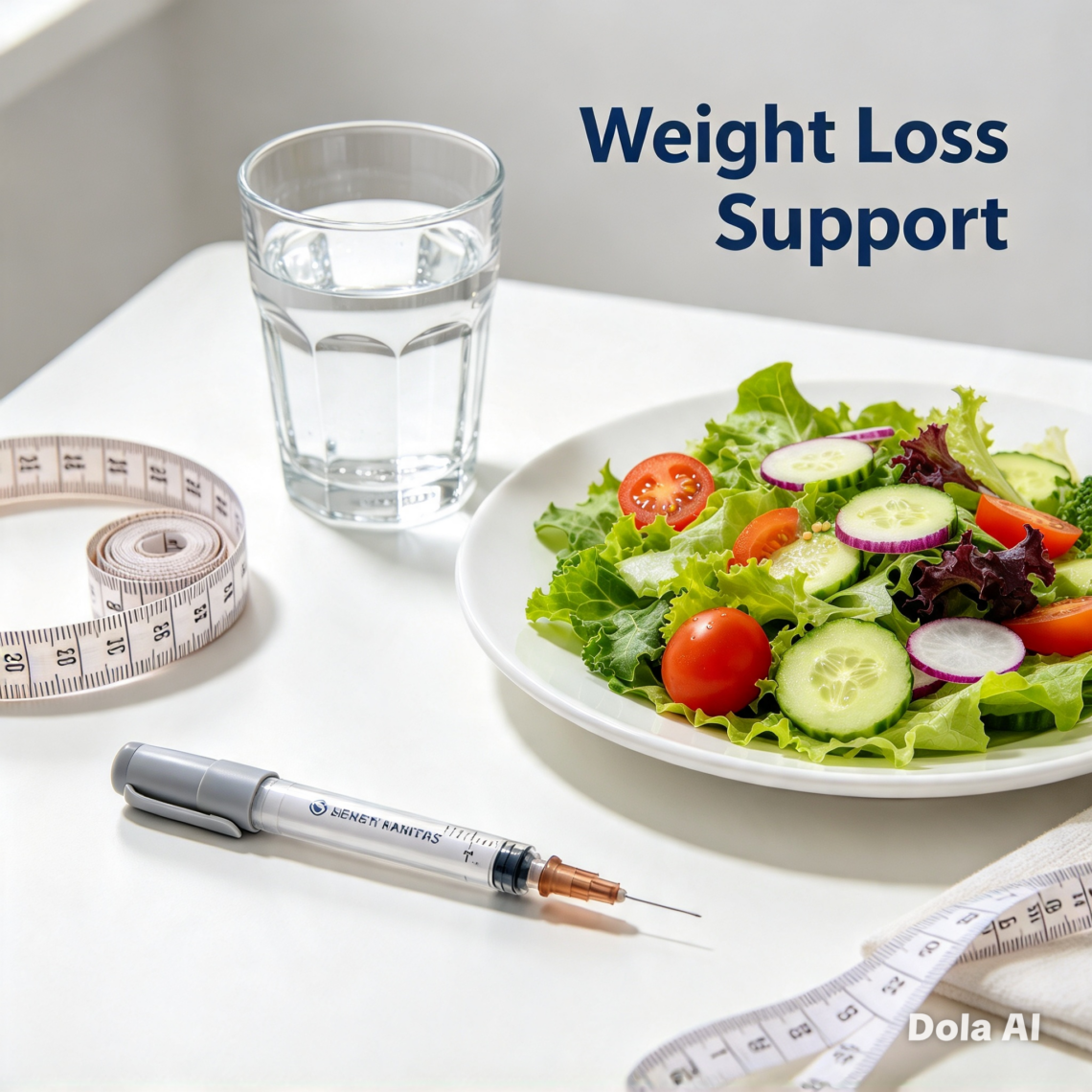
GLP-1 weight loss treatments have become an increasingly important part of medical weight management in the UK. These prescription medicines influence biological signals involved in appetite and fullness, which can help eligible patients reduce their food intake and lose weight when treatment is combined with appropriate lifestyle changes.
However, GLP-1 medicines are not suitable for everyone, and they should not be viewed as cosmetic or rapid weight-loss products. Treatment requires appropriate clinical assessment, safe prescribing and ongoing consideration of benefits and risks. Understanding how these medicines work can help patients make more informed decisions about their weight-management options.
What Are GLP-1 Weight Loss Treatments?
GLP-1 stands for glucagon-like peptide-1, a naturally occurring hormone involved in appetite, digestion and blood glucose regulation.
After eating, the body releases GLP-1 as part of its normal response to food. Among its effects, the hormone sends signals associated with satiety, helping the brain recognise that enough food has been consumed.
GLP-1 receptor agonists imitate this activity. By strengthening appetite-related signals, these medicines can make people feel satisfied after consuming less food and may reduce hunger between meals.
The Medicines and Healthcare products Regulatory Agency (MHRA) explains that GLP-1 medicines mimic a natural hormone released after eating and can help people feel fuller.
This mechanism is one reason the medicine class has become relevant to modern obesity and weight-management care.
How Do GLP-1 Medicines Support Weight Loss?
GLP-1 medicines do not directly burn body fat. Instead, they influence processes that can make maintaining a lower calorie intake more manageable.
One of their principal effects is appetite regulation. People taking an appropriate GLP-1 treatment may notice that they feel hungry less frequently or become satisfied with smaller portions.
These medicines can also slow gastric emptying. Food may remain in the stomach for longer, which can contribute to prolonged feelings of fullness after meals.
When these effects result in consistently lower energy intake, body weight may gradually decrease.
Individual responses differ, however. The amount of weight lost can depend on the particular medicine, treatment duration, dose, adherence, starting weight and broader lifestyle factors.
Are All GLP-1 Treatments the Same?
No. GLP-1-related medicines should not be treated as interchangeable.
Different active ingredients can have different licensed uses, dosing schedules and clinical evidence. Some medicines act specifically on the GLP-1 receptor, while newer treatments can target more than one hormonal pathway.
Tirzepatide, for example, acts on both GIP and GLP-1 receptors. This differs from medicines that act on GLP-1 alone.
Another important distinction is the condition for which a particular medicine is licensed. Some active ingredients have been used in diabetes care as well as weight management, but individual brands and formulations may have different approved indications.
Patients should therefore consider the exact medicine and its licensed purpose rather than assuming that every GLP-1 product is simply another version of the same treatment.
Who May Be Suitable for GLP-1 Weight Loss Treatment?
GLP-1 treatment is not intended for everyone who would like to lose a few kilograms.
Suitability is determined through clinical assessment and depends on the specific medicine being considered. Factors can include BMI, weight-related health conditions, previous weight-management interventions and individual medical history.
The NHS explains that medicines may be used to support weight management in certain circumstances alongside dietary and physical activity changes.
A prescriber may also need to review current medication, diabetes treatment, gastrointestinal conditions and other factors that could affect whether a particular medicine is appropriate.
This is why eligibility cannot be established from body weight alone.
Why BMI Is Only Part of the Assessment
BMI is commonly used when evaluating whether someone may meet criteria for medical weight-management treatment, but it does not provide a complete assessment of health.
Two people with the same BMI can have very different medical histories and levels of weight-related risk.
Waist measurement, blood pressure, blood glucose, cardiovascular health and existing conditions may provide additional context. Ethnicity can also affect the interpretation of weight-related health risk.
The NICE guidance on overweight and obesity provides a broader framework for assessing and managing weight rather than relying on a single measurement in isolation.
A personalised assessment therefore helps determine whether treatment is clinically appropriate rather than simply whether a number falls above a threshold.
Which GLP-1 Weight Management Options Are Available?
The UK weight-management landscape includes different prescription options, and not all of them work in exactly the same way.
Some medicines are injectable, while oral weight-management options also exist. Administration frequency and dosing instructions depend on the specific treatment.
This variety matters because the most widely discussed medicine is not automatically the most appropriate choice for an individual patient.
People researching their options can review different clinically guided weight loss treatments before discussing their health, preferences and eligibility with a qualified prescriber.
Treatment selection should be based on clinical suitability rather than popularity on social media or comparisons based solely on headline weight-loss percentages.
How Quickly Do GLP-1 Treatments Work?
There is no universal timeline for weight loss with GLP-1 medicines.
Treatment often begins at a lower dose, with increases introduced gradually according to the medicine’s approved dosing schedule. This approach can help the body adjust and may improve tolerability.
Changes in appetite may occur before substantial changes appear on the scales. Weight loss itself usually develops progressively rather than immediately.
Clinical research can provide useful information about average outcomes over a defined period, but those figures should not be interpreted as guaranteed individual results.
One person may respond strongly to a treatment, while another may experience less weight reduction or find that side effects affect their ability to continue.
What Are the Common Side Effects?
Because GLP-1 medicines influence the digestive system, gastrointestinal symptoms are among their most recognised adverse effects.
These can include:
- nausea
- vomiting
- diarrhoea
- constipation
- abdominal discomfort
- reduced appetite
Symptoms may be more noticeable when treatment begins or following an increase in dose.
For some people, side effects remain mild and become easier to manage as treatment continues. Others may need clinical advice, slower dose progression where appropriate, or a review of whether the medicine remains suitable.
Persistent symptoms should not be ignored simply because weight loss is occurring.
Are There More Serious Risks?
GLP-1 medicines can also be associated with less common but potentially important complications.
In January 2026, the MHRA strengthened product information for GLP-1 and related medicines concerning the risk of acute pancreatitis, including rare reports of severe forms. Severe, persistent abdominal pain that may radiate to the back, particularly with nausea or vomiting, requires urgent medical attention.
Vomiting and diarrhoea can also result in significant dehydration if symptoms become prolonged.
Patients should read the information supplied with their medicine and understand which symptoms require medical advice rather than assuming that every adverse effect is a normal part of treatment.
Why Pregnancy Requires Special Consideration
Weight-loss medicines are not intended for use during pregnancy.
The MHRA advises that GLP-1 medicines should not be taken during pregnancy, while trying to become pregnant or during breastfeeding. It also provides medicine-specific guidance on contraception and the period required between stopping certain treatments and trying to conceive.
Anyone who becomes pregnant while using treatment should contact their healthcare professional.
People planning pregnancy should discuss their plans before starting or stopping medication because the recommended stopping interval can vary between active ingredients.
This is another reason weight-management medicines require clinical oversight rather than self-directed use.
Can GLP-1 Medicines Be Used Without Lifestyle Changes?
Medication can influence appetite, but it does not remove the value of nutrition and physical activity.
The NICE recommendations on medicines and surgery for overweight and obesity position weight-management medicines alongside dietary and physical activity interventions.
This combined approach can support health beyond weight reduction alone.
A balanced eating pattern can help maintain nutritional quality even when appetite falls. Physical activity supports cardiovascular fitness and general wellbeing, while resistance exercise can be particularly useful for maintaining muscle during weight loss.
Treatment should therefore support healthier routines rather than replace them.
Why Protein and Muscle Matter During Weight Loss
The goal of weight management is not simply to make the number on the scales fall as quickly as possible.
Weight reduction can involve changes in both fat mass and lean tissue. Preserving muscle is important for strength, mobility and physical function.
Adequate nutrition and appropriate physical activity can help support lean mass while body weight decreases.
This becomes particularly relevant when appetite is significantly reduced. Eating much less without paying attention to nutritional quality may make it more difficult to consume sufficient protein and essential nutrients.
Clinical weight management can therefore include conversations about food quality and physical function alongside medication response.
Can GLP-1 Medicines Interact With Other Treatments?
A person’s existing medicines form an important part of the prescribing assessment.
GLP-1-related treatments can influence blood glucose, meaning people taking certain diabetes medicines may require particular consideration. Delayed gastric emptying may also be relevant when reviewing other oral medicines.
This does not mean that GLP-1 treatment cannot be used alongside other medicines. Rather, it demonstrates why a prescriber needs an accurate and complete medication history.
Patients should disclose prescription medicines and relevant over-the-counter products during their assessment instead of stopping existing treatment themselves.
Any medication changes should be discussed with the healthcare professional responsible for that treatment.
Why Buying GLP-1 Medicines From Unregulated Sources Is Risky
Growing demand for weight-loss medicines has also created opportunities for illegal sellers and counterfeit products.
The MHRA has warned about falsified weight-loss medicines and advises people to obtain prescription treatments through legitimate healthcare routes.
A product bought through social media, an informal seller or an unverified website may not contain what its packaging claims. Its strength, ingredients and storage history may also be unknown.
The risk is not limited to receiving an ineffective product. Incorrect ingredients or doses can create genuine health risks.
A low price or the promise of treatment without an appropriate assessment should therefore be treated with caution.
Why Clinical Monitoring Matters After Treatment Starts
Safe prescribing does not end when the first dose is supplied.
Follow-up allows treatment response, tolerability and overall progress to be reviewed. It can also identify circumstances in which a dose should not simply be increased because a scheduled date has arrived.
Someone experiencing significant side effects, for example, may need clinical advice before progressing further.
A clinically supervised service such as London Slimming Clinic can assess suitability for prescription weight-management treatment and provide ongoing support where appropriate.
Whatever provider is chosen, patients should expect clear prescribing processes and access to appropriate clinical advice.
What Happens When GLP-1 Treatment Stops?
The appetite-regulating effects of a medicine do not necessarily continue after treatment has ended.
As the active medicine gradually leaves the body, hunger and food-related thoughts may increase again. Maintaining a lower weight can therefore become more difficult for some people.
This makes long-term planning an important part of treatment.
Dietary habits, physical activity, awareness of appetite changes and continued professional support can all become relevant when treatment is stopped.
Prescription medication should not be discontinued or switched solely because of advice from social media or another patient’s experience. Changes should be discussed with the prescribing healthcare professional.
GLP-1 Treatment and Sustainable Weight Management
GLP-1 medicines have expanded the options available for people living with overweight and obesity, but medication alone does not solve every factor contributing to weight.
Genetics, environment, sleep, stress, eating behaviour, medical conditions and daily routines can all influence long-term outcomes.
The strongest approach is therefore broader than simply suppressing appetite.
For an eligible patient, prescription treatment may make dietary changes more manageable. Nutrition, physical activity and behavioural strategies can then help establish routines capable of supporting health beyond the initial weight-loss phase.
Clinical reviews provide an opportunity to bring these elements together and determine whether treatment continues to provide meaningful benefit.
Conclusion
GLP-1 weight loss treatments work by influencing hormone pathways involved in appetite, fullness, digestion and blood glucose regulation. For appropriately selected patients, this can reduce hunger and support meaningful weight loss alongside dietary and lifestyle changes.
However, not every GLP-1 medicine is the same, and treatment suitability depends on more than body weight alone. Medical history, other medicines, potential side effects and individual health risks all need to be considered.
UK patients considering GLP-1 treatment should seek assessment from a qualified healthcare professional, obtain prescription medicines through regulated healthcare and pharmacy channels, and view medication as one component of a longer-term approach to weight management rather than a standalone solution.