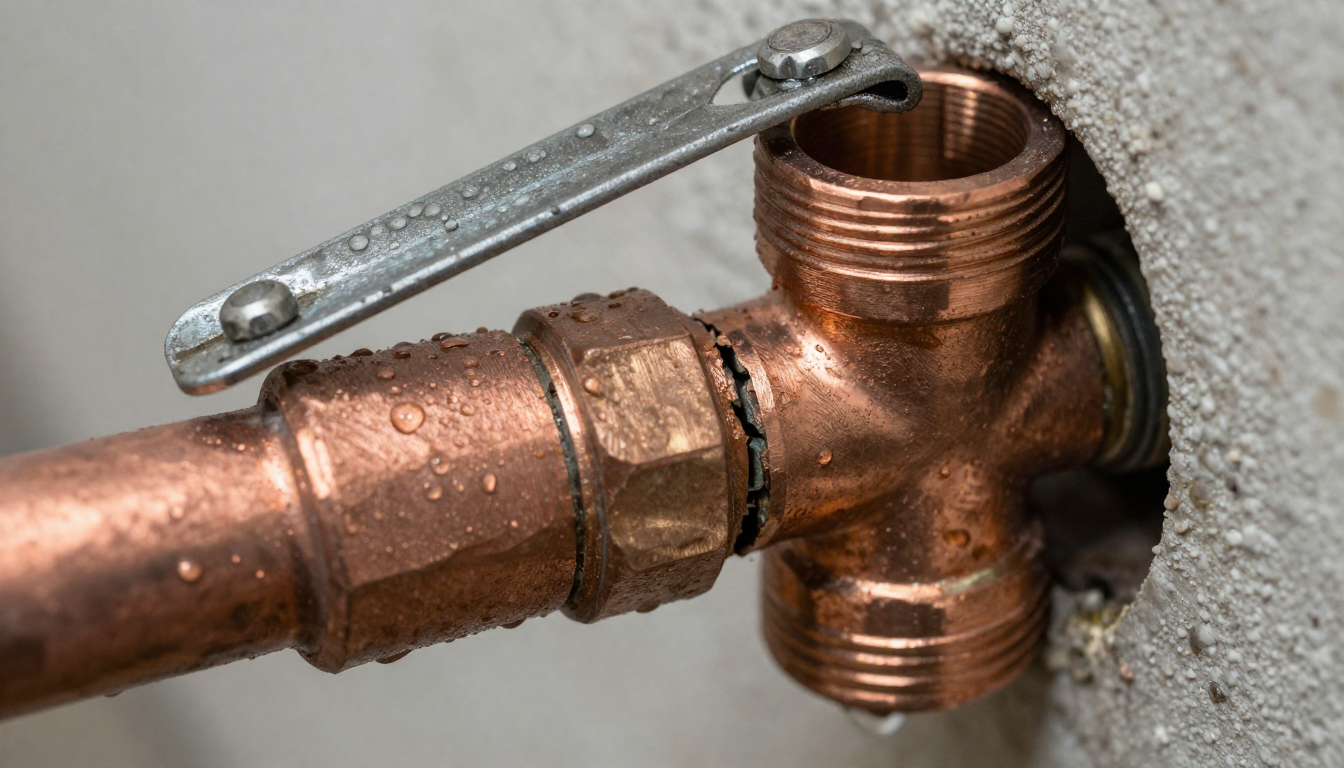
A burst pipe is one of those emergencies that nobody sees coming — but when it hits, it hits hard. Water pouring out from behind a wall, a sudden drop in pressure, or even a strange hissing sound from your basement could all mean one thing: your pipe has burst, and you need to act fast.
The good news? With the right knowledge, you can handle a burst pipe repair calmly — whether it’s a quick temporary fix or a permanent solution. This guide walks you through everything, from spotting the problem early to long-term prevention, so you are never caught off guard again.
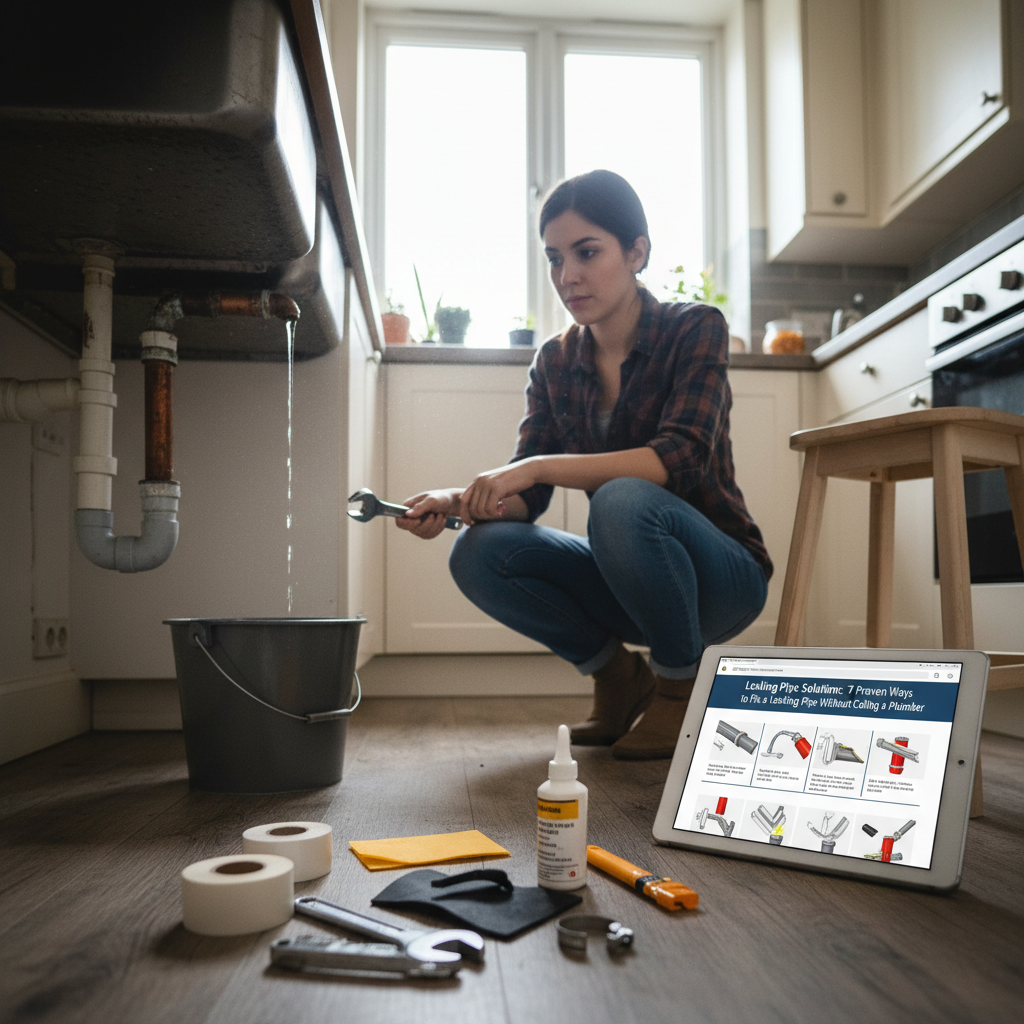
Leaking Pipe Solution: 7 Proven Ways to Fix a Leaking Pipe Without Calling a Plumber
How Do You Know a Pipe Has Burst?
Most people assume a burst pipe means water flooding everywhere. But that is not always the case. Sometimes the damage happens silently behind your walls or underground. Here are the signs you should never ignore:
- A sudden and unexplained drop in water pressure throughout your home
- The sound of hissing, gurgling, or rushing water — especially when no tap is turned on
- Wet spots, stains, or discoloration appearing on walls, ceilings, or floors
- A noticeable increase in your monthly water bill without any change in usage
- Mold or mildew smell coming from areas where pipes run
If you notice even two or three of these signs together, there is a strong chance a pipe has burst somewhere in your system. The faster you identify it, the less damage it will cause.
Step 1: Shut Off the Water Immediately
The very first thing you must do during any burst pipe emergency is turn off your main water supply. Your shut-off valve is usually located near the water meter — check your basement, utility room, or outside near the foundation. Turn it clockwise until it stops completely.
If you have never located this valve before, do it today. During a real emergency, wasting even a few minutes searching for it can mean hundreds of dollars in extra water damage.
Step 2: Cut the Power in That Area
Water and electricity together create a serious safety hazard. If the burst pipe is anywhere near electrical outlets, appliances, or light switches, switch off the breaker for that area of your home. When in doubt, turn off the main breaker entirely. Your safety always comes first.
Step 3: Drain the Remaining Water
After shutting off the main supply, open every cold-water tap in your home starting from the highest floor and working your way down. This drains the leftover water from your pipes and reduces pressure on the damaged section. Use towels, buckets, or a wet-dry vacuum to soak up any standing water on your floors.
Step 4: Apply a Temporary Repair
While waiting for a professional plumber, you can slow or stop the leak using one of these tried-and-tested temporary methods:
Rubber and Hose Clamps — Cut a piece of heavy rubber from an old garden hose or inner tube. Wrap it tightly over the crack and secure it with hose clamps on both sides. This is one of the fastest emergency fixes available.
Epoxy Putty — Clean and dry the damaged area, then knead the epoxy putty and press it firmly over the crack. Most types harden into a waterproof seal within five to ten minutes and can hold up to normal household water pressure.
Silicone Repair Tape — Wrap the self-fusing tape tightly around the leak, stretching it as you go. This tape bonds to itself and creates a strong pressure seal that works on both hot and cold water lines.
These are not permanent solutions. They buy you time until a licensed plumber can come in and do the job properly.
Step 5: Call a Licensed Plumber
A professional will inspect the full extent of the damage, identify what caused the burst in the first place, and provide a lasting repair. Depending on the severity, they may patch the pipe, replace a damaged section, or — in serious cases — replace an entire length of pipe with a more durable material like PEX or copper.
On average, burst pipe repair costs somewhere between $150 and $500 for straightforward fixes. Underground bursts or major re-piping jobs can go well beyond $5,000, which is exactly why catching the problem early matters so much.
How to Prevent a Burst Pipe in the Future
Prevention is always cheaper than repair. Here is what you can do right now to protect your plumbing:
Insulate any exposed pipes in your attic, basement, or crawl spaces — especially before winter. Foam sleeves or fiberglass wrap can reduce the risk of freezing by a significant margin. Keep your home heated to at least 55°F even when you are away during cold months. Let faucets drip slightly during extreme cold snaps to keep water moving through the pipes. Have your plumbing inspected once every one to two years to catch corrosion, buildup, or weak spots before they become emergencies. Make sure your water pressure stays below 60 psi. High pressure quietly wears down pipe joints and fittings over time.
Final Thoughts
A burst pipe does not have to turn into a disaster — not if you know what to do. Recognizing the early warning signs, acting fast to shut off water and power, and applying a temporary fix can make all the difference while you wait for professional help. And with simple preventive steps built into your regular home maintenance, you can greatly reduce the chance of it ever happening again.
“According to the U.S. Department of Energy, proper pipe insulation is one of the most effective ways to prevent freezing and bursting during winter months.”
Why this works: The U.S. Department of Energy – Winterizing Your Plumbing of Energy is a highly authoritative, government-backed (.gov) domain. Linking to it adds credibility to your article, signals trust to Google, and is completely relevant to the prevention topic. This type of backlink strengthens your page’s E-E-A-T (Experience, Expertise, Authoritativeness, Trustworthiness) score.